

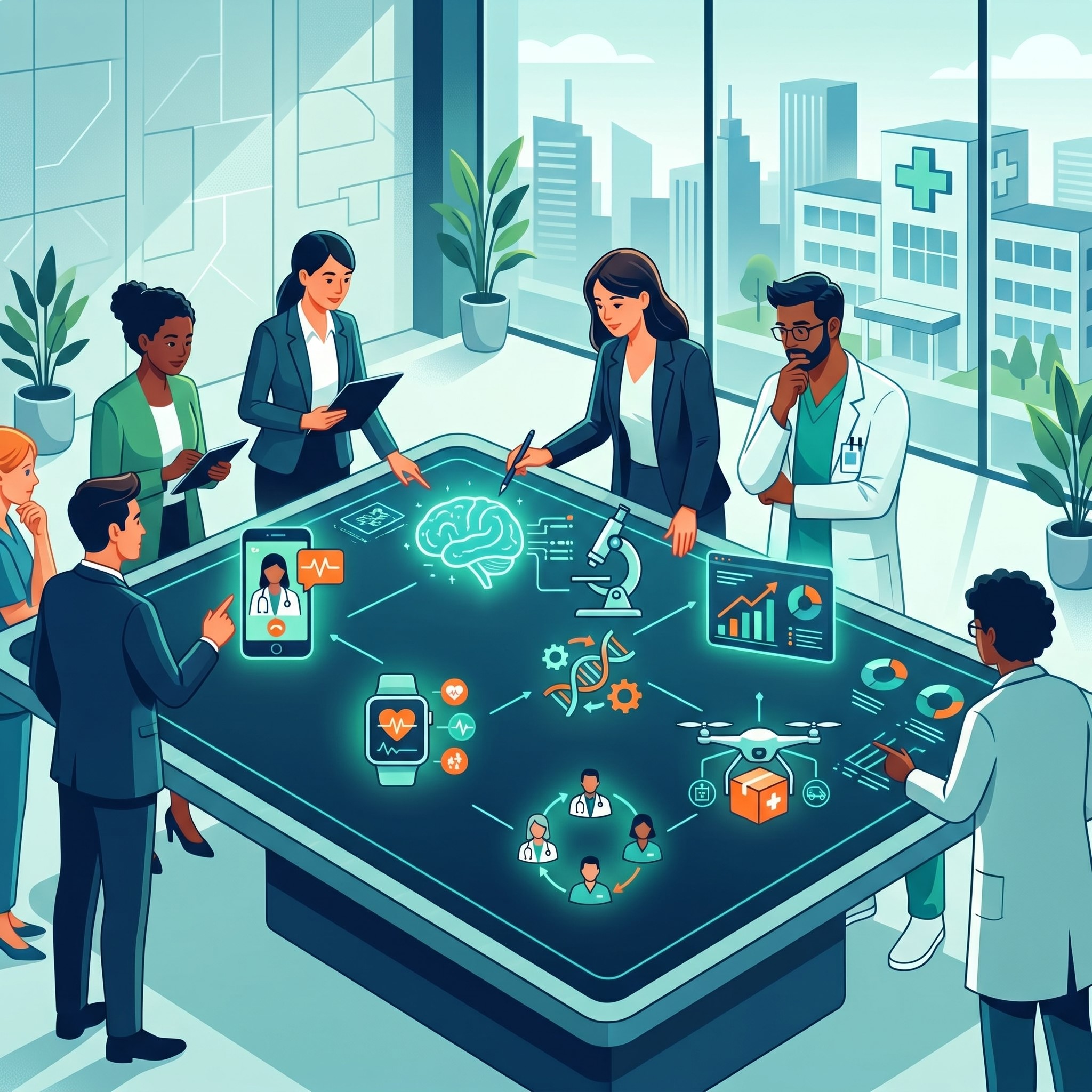
The healthcare industry is undergoing one of the most significant transformations in its history. Advances in technology, changing patient expectations, and the growing demand for accessible medical services are pushing healthcare organizations to rethink traditional approaches to care delivery. As a result, innovative ideas for healthcare business are becoming essential for improving patient outcomes, increasing operational efficiency, and creating more personalized healthcare experiences.
Modern patients expect healthcare services that are convenient, efficient, and tailored to their individual needs. They want easier access to medical professionals, faster diagnoses, transparent communication, and seamless digital experiences. Healthcare providers that embrace innovation are better positioned to meet these expectations while remaining competitive in an evolving market.
This article explores how innovative healthcare business ideas are reshaping patient care and creating new opportunities for healthcare organizations worldwide.
The Growing Need for Innovation in Healthcare
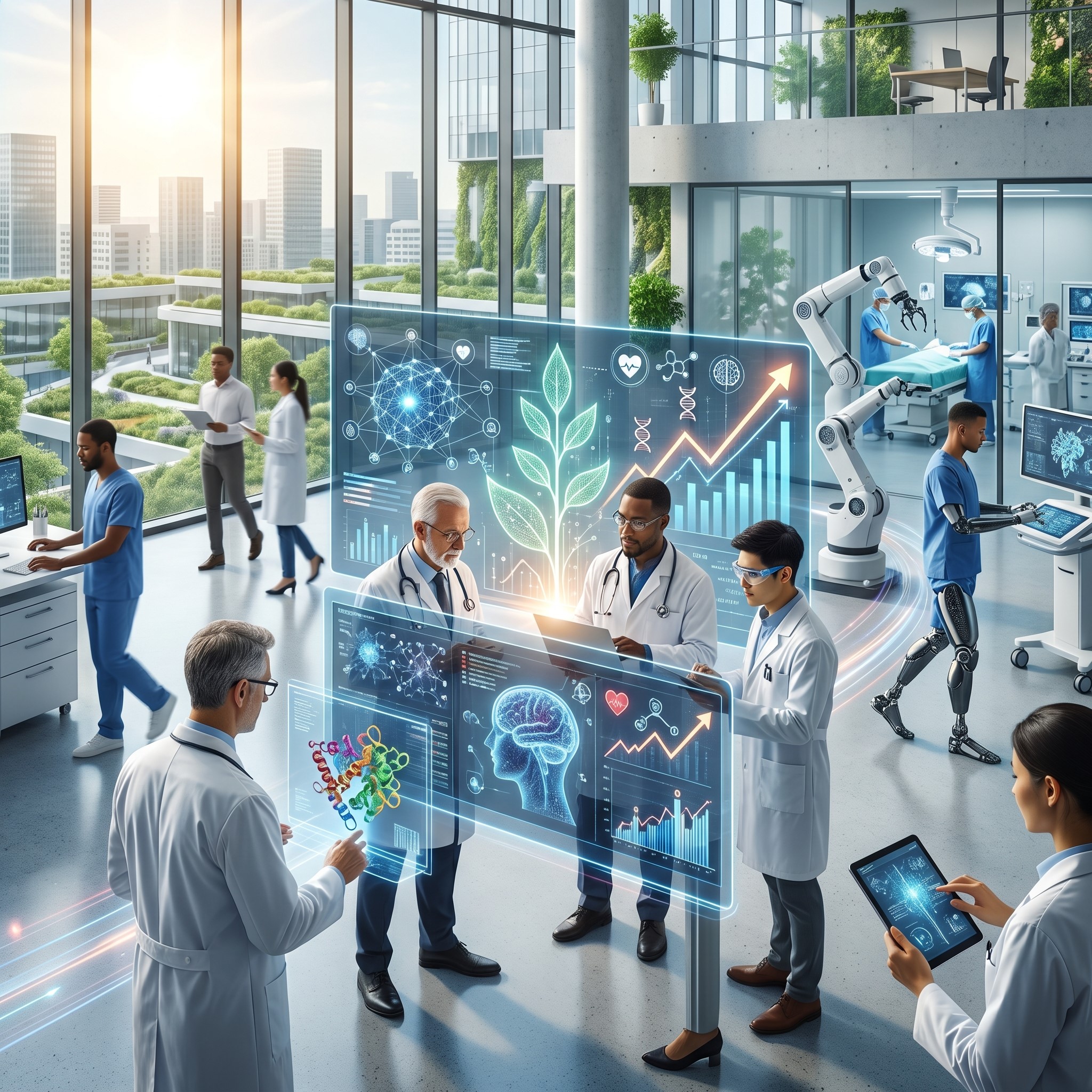 Healthcare systems face numerous challenges, including rising costs, increasing patient populations, workforce shortages, and growing demands for quality care. Traditional healthcare models often struggle to keep pace with these pressures.
Innovation provides a pathway for addressing these challenges by introducing new technologies, processes, and service models that improve efficiency and enhance patient experiences. Rather than relying solely on conventional methods, healthcare organizations are increasingly exploring creative solutions that streamline operations and improve access to care.
As healthcare continues to evolve, innovation is no longer optional. It has become a critical component of long-term success and sustainability.
Telemedicine Revolutionizing Patient Access
One of the most impactful healthcare innovations in recent years has been the rapid adoption of telemedicine.
Virtual consultations allow patients to connect with healthcare providers without visiting a clinic or hospital. This approach improves accessibility for individuals living in remote areas, those with mobility limitations, and patients seeking convenient care options.
Telemedicine reduces travel time, shortens waiting periods, and enables healthcare professionals to serve more patients efficiently. It also facilitates ongoing monitoring and follow-up care, helping patients remain engaged in their treatment plans.
The widespread acceptance of virtual healthcare services demonstrates how innovation can remove barriers and improve patient access to quality medical care.
Artificial Intelligence Enhancing Clinical Decision-Making
Artificial intelligence is playing an increasingly important role in healthcare delivery.
AI-powered systems can analyze vast amounts of medical data, identify patterns, and assist healthcare professionals in making more informed decisions. These technologies support disease detection, diagnostic imaging analysis, treatment planning, and risk assessment.
By reducing manual workloads and improving accuracy, AI enables healthcare providers to focus more attention on patient care. Advanced algorithms can help identify conditions earlier, potentially leading to better treatment outcomes and improved patient safety.
As AI technology continues to mature, its influence on healthcare decision-making is expected to expand significantly.
Personalized Medicine Improving Treatment Outcomes
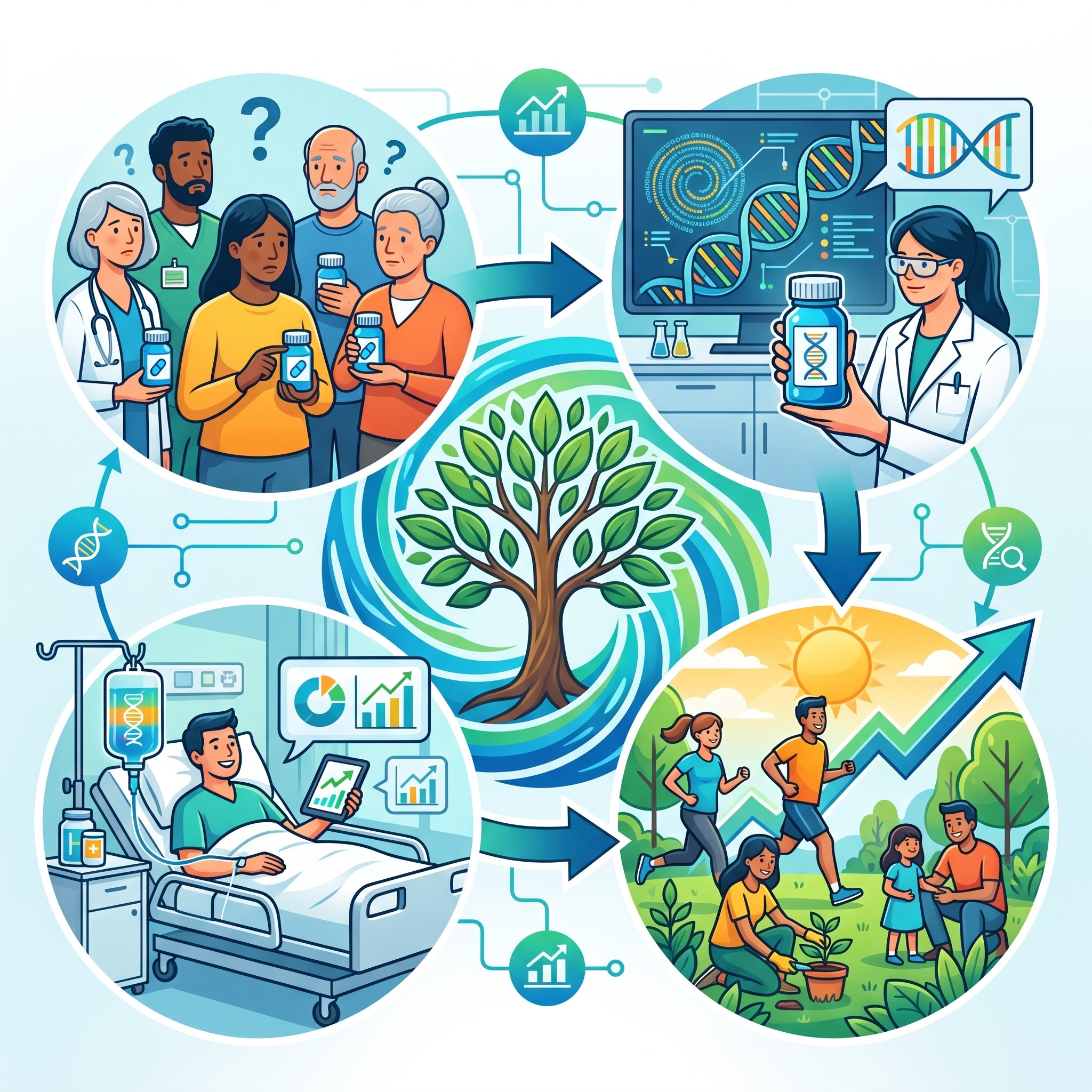 Traditional healthcare often relies on standardized treatment approaches that may not address individual patient differences.
Personalized medicine represents a shift toward customized care based on genetics, lifestyle factors, medical history, and individual health characteristics. This approach allows healthcare providers to develop treatment plans that are more closely aligned with each patient’s unique needs.
Advances in genetic testing and data analysis have made personalized medicine increasingly accessible. Patients benefit from more targeted therapies, reduced side effects, and improved treatment effectiveness.
The growing emphasis on individualized care highlights the healthcare industry’s commitment to improving patient outcomes through innovation.
Remote Patient Monitoring Creating Continuous Care
Remote patient monitoring technologies are transforming how healthcare providers manage chronic conditions and ongoing treatment plans.
Wearable devices, connected sensors, and mobile health applications enable continuous monitoring of vital signs, activity levels, medication adherence, and other health indicators.
Healthcare professionals can access real-time data and intervene quickly when potential issues arise. This proactive approach helps prevent complications, reduces hospital admissions, and improves overall patient management.
Remote monitoring also empowers patients to take a more active role in managing their health, fostering greater engagement and accountability.
Digital Health Platforms Enhancing Patient Experiences
Modern healthcare increasingly depends on digital platforms that simplify interactions between patients and providers.
Patient portals, mobile applications, and online scheduling systems provide convenient access to medical records, appointment management, prescription information, and communication tools.
These digital solutions improve transparency and streamline administrative processes. Patients gain greater control over their healthcare journeys while providers benefit from improved efficiency and reduced paperwork.
As consumer expectations continue to evolve, digital health platforms will remain central to delivering high-quality patient experiences.
Data Analytics Driving Better Healthcare Decisions
 Healthcare organizations generate vast amounts of data every day. When analyzed effectively, this information can provide valuable insights that improve patient care and operational performance.
Data analytics enables healthcare providers to identify trends, monitor treatment effectiveness, predict patient risks, and optimize resource allocation.
By leveraging data-driven insights, organizations can make more informed decisions that support better clinical outcomes and improved efficiency.
The ability to transform raw data into actionable intelligence has become a major competitive advantage within the healthcare industry.
Smart Healthcare Facilities Improving Efficiency
Innovation extends beyond clinical services and into healthcare facility management.
Smart hospitals and healthcare centers utilize connected technologies to optimize workflows, manage resources, and enhance patient safety. Automated systems can monitor equipment performance, track inventory levels, and improve energy efficiency.
Digital wayfinding solutions help patients navigate complex healthcare facilities more easily, reducing stress and improving overall experiences.
These innovations contribute to smoother operations while allowing healthcare professionals to dedicate more time to patient care.
Mobile Health Applications Empowering Patients
Mobile health applications have become increasingly popular as consumers seek convenient ways to manage their health.
These applications support a wide range of functions, including appointment scheduling, medication reminders, fitness tracking, symptom monitoring, and health education.
By providing easy access to health information and self-management tools, mobile applications encourage proactive healthcare behaviors.
Patients who actively engage with their health data often develop a stronger understanding of their conditions and treatment plans, leading to better long-term outcomes.
Improving Preventive Care Through Innovation
Preventive care remains one of the most effective strategies for reducing healthcare costs and improving population health.
Innovative healthcare businesses are developing solutions that encourage early detection, routine screenings, and proactive wellness management.
Artificial intelligence, predictive analytics, wearable technology, and personalized health recommendations all contribute to more effective preventive care programs.
By identifying potential health risks before they become serious conditions, healthcare providers can improve patient outcomes while reducing the burden on healthcare systems.
Lessons from Innovation Across Industries
Healthcare is not the only sector embracing innovation to improve customer experiences and operational efficiency. Many successful organizations study trends and strategies from other industries to identify new opportunities.
For example, businesses exploring innovative ideas for travel business development often focus on personalization, convenience, and digital experiences that simplify customer journeys. Similar principles can be applied within healthcare to create more patient-centered services.
Likewise, organizations researching innovative tourism business ideas frequently prioritize seamless experiences, technology integration, and customer satisfaction. These concepts offer valuable insights for healthcare providers seeking to improve service delivery and patient engagement.
Cross-industry learning continues to inspire healthcare leaders to adopt creative approaches that enhance both patient experiences and business performance.
The Role of Innovation in Healthcare Entrepreneurship
Healthcare entrepreneurship is creating new opportunities to address unmet needs and improve service accessibility.
Startups and emerging healthcare businesses are introducing innovative solutions that target specific challenges, including mental health support, home healthcare services, chronic disease management, and digital therapeutics.
Entrepreneurs often bring fresh perspectives and agility that enable rapid innovation. Their contributions help accelerate industry transformation while expanding options for patients and providers alike.
As investment in healthcare technology continues to grow, entrepreneurial innovation will remain a driving force behind industry advancement.
Building Patient Trust Through Technology
Trust is a fundamental component of effective healthcare relationships.
Innovative technologies can strengthen trust by improving communication, increasing transparency, and providing patients with greater visibility into their care.
Secure messaging platforms, real-time health updates, digital records access, and personalized treatment recommendations help patients feel informed and involved.
Healthcare organizations that successfully integrate technology while maintaining human-centered care are more likely to build lasting patient relationships and achieve higher satisfaction levels.
Enhancing Nutritional and Lifestyle Support
Modern healthcare increasingly recognizes the importance of nutrition and lifestyle factors in overall wellness.
Some healthcare businesses are incorporating wellness coaching, dietary guidance, and preventive health programs into their service offerings. Similar to how entrepreneurs explore innovative ideas for food business growth through personalization and consumer engagement, healthcare providers are developing customized wellness solutions that support healthier lifestyles.
These integrated approaches help address underlying health factors and contribute to more comprehensive patient care.
Overcoming Challenges to Healthcare Innovation
While innovation offers significant benefits, implementing new technologies and business models can present challenges.
Healthcare organizations must navigate regulatory requirements, cybersecurity concerns, budget limitations, and workforce training needs. Successful innovation requires careful planning, stakeholder engagement, and ongoing evaluation.
Organizations that prioritize adaptability and continuous improvement are better positioned to overcome these obstacles and maximize the value of innovation initiatives.
Maintaining a balance between technological advancement and patient-centered care remains essential throughout the transformation process.
The Future of Healthcare Innovation
The future of healthcare will be shaped by continued advancements in technology, data analytics, artificial intelligence, and personalized medicine.
Emerging innovations such as predictive healthcare, digital therapeutics, robotic assistance, virtual reality training, and advanced remote monitoring systems are expected to further improve patient outcomes and operational efficiency.
Healthcare organizations that embrace innovation today will be better prepared to meet tomorrow’s challenges and opportunities.
As patient expectations continue to evolve, the demand for accessible, personalized, and technology-driven healthcare experiences will only increase.
Frequently Asked Questions (FAQs)
1. What are innovative ideas for healthcare business?
Innovative ideas for healthcare business involve using new technologies, service models, and patient-focused solutions to improve healthcare delivery. Examples include telemedicine, artificial intelligence, remote patient monitoring, digital health platforms, and personalized treatment programs.
2. Why is innovation important in the healthcare industry?
Innovation helps healthcare organizations improve patient outcomes, reduce operational costs, increase efficiency, and enhance accessibility. It also enables providers to meet evolving patient expectations while remaining competitive in a rapidly changing healthcare environment.
3. How does telemedicine improve patient care?
Telemedicine allows patients to consult healthcare professionals remotely through digital platforms. This improves access to care, reduces travel time, shortens waiting periods, and provides convenient medical support for individuals in remote or underserved areas.
4. What role does artificial intelligence play in healthcare?
Artificial intelligence assists healthcare professionals by analyzing medical data, identifying patterns, supporting diagnostics, and improving treatment planning. AI can enhance accuracy, reduce administrative workloads, and help providers make more informed clinical decisions.
5. What is personalized medicine?
Personalized medicine is an approach that tailors treatments to individual patients based on factors such as genetics, lifestyle, and medical history. This strategy can improve treatment effectiveness while minimizing unnecessary interventions and side effects.
6. How does remote patient monitoring benefit healthcare providers?
Remote patient monitoring allows healthcare professionals to track patient health data in real time using wearable devices and connected technologies. This supports early intervention, improves chronic disease management, and reduces hospital readmissions.
7. What are digital health platforms?
Digital health platforms are online systems that help patients and providers manage healthcare activities. They often include appointment scheduling, electronic medical records, prescription management, secure communication, and health monitoring features.
8. What challenges do healthcare businesses face when implementing innovation?
Common challenges include regulatory compliance, cybersecurity concerns, technology integration, employee training, and budget limitations. Successful implementation requires strategic planning, ongoing support, and a focus on patient-centered care.
9. How do mobile health applications improve patient engagement?
Mobile health applications give patients access to health information, medication reminders, wellness tracking, and communication tools. These features encourage active participation in healthcare management and support healthier long-term habits.
10. What is the future of innovation in healthcare?
The future of healthcare innovation includes advancements in artificial intelligence, predictive analytics, robotic assistance, digital therapeutics, personalized medicine, and remote care technologies. These innovations are expected to further improve patient outcomes and healthcare efficiency.
Conclusion
Innovative ideas for healthcare business are fundamentally transforming patient care by making healthcare more accessible, efficient, personalized, and proactive. From telemedicine and artificial intelligence to remote monitoring and digital health platforms, modern innovations are reshaping how patients interact with healthcare providers and manage their well-being.
Organizations that embrace these advancements can improve patient outcomes, strengthen operational performance, and create more meaningful healthcare experiences. While challenges remain, the benefits of innovation far outweigh the obstacles.

Leave a Reply