

The fashion industry sits at a crossroads. For decades, the formula was simple: produce as much as possible, sell it cheap, and move on to the next trend. But that model has left a heavy footprint—mountains of textile waste, polluted waterways, and a reputation for exploiting workers. Consumers have noticed, and they’re demanding better.
This shift is fueling a wave of innovative fashion business models that put sustainability at the center rather than the sidelines. From rental wardrobes to resale platforms, brands are rethinking how clothes are made, sold, worn, and discarded. These aren’t just feel-good experiments. They’re reshaping how the industry makes money and how shoppers engage with their closets.
In this post, we’ll explore the most promising business models driving sustainable fashion forward. You’ll learn how each one works, why it matters, and what it signals about the future of the industry. Whether you run a fashion startup or simply care about where your clothes come from, these ideas offer a clear look at what’s next.
Why the Old Fashion Model No Longer Works
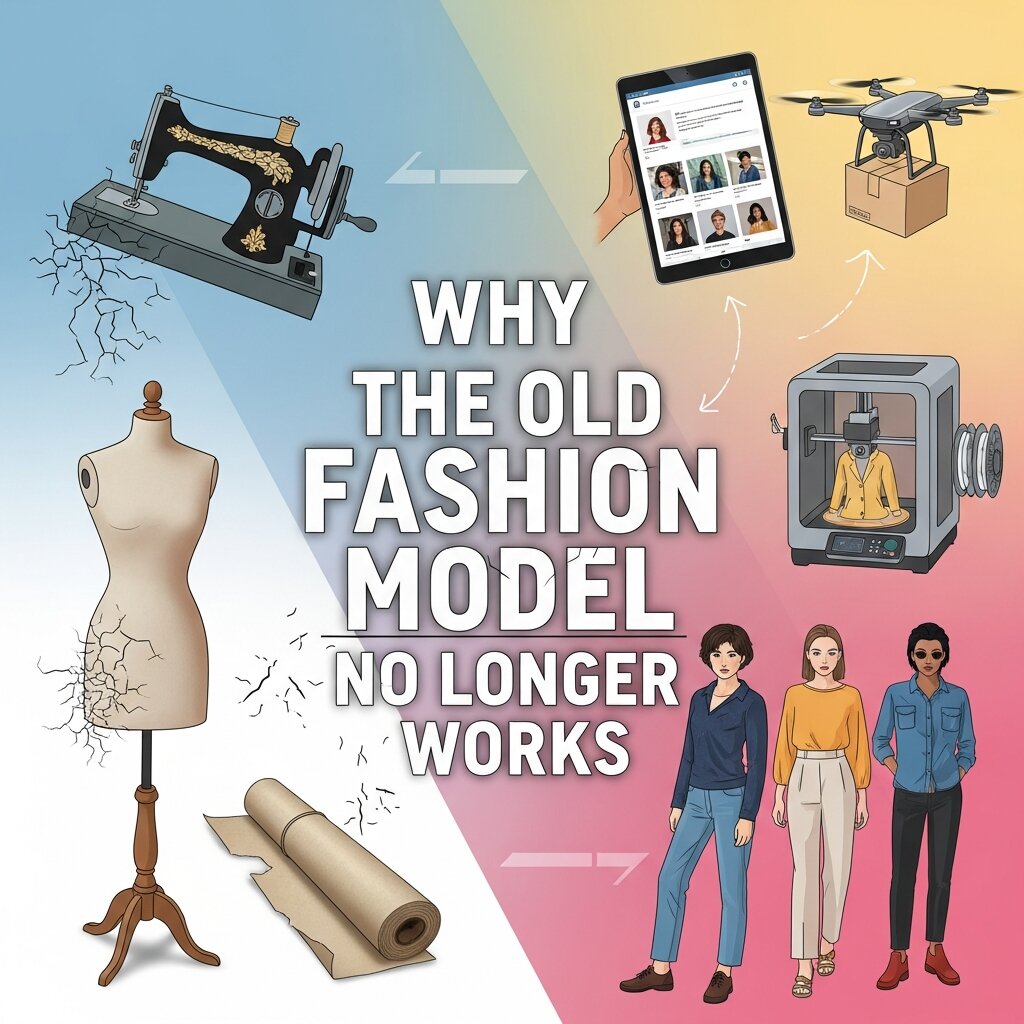 Fast fashion built its empire on speed and volume. Brands churned out new collections every few weeks, training shoppers to buy more and keep less. The results were staggering—and not in a good way.
The fashion industry is responsible for roughly 10% of global carbon emissions, more than international flights and maritime shipping combined. The average garment is now worn far fewer times than it was two decades ago before being tossed. Landfills swell with clothing that could have been reused, repaired, or recycled.
Younger shoppers, in particular, are rejecting this approach. They want transparency about where their clothes come from, who made them, and what happens at the end of a garment’s life. This demand has opened the door for fresh thinking and innovative product ideas that challenge the throwaway culture head-on.
Rental and Subscription: Wear More, Own Less
One of the most disruptive innovative fashion business models is clothing rental. Instead of buying an outfit you’ll wear once, you rent it for a fraction of the price and return it when you’re done.
How Rental Models Create Value
Rental platforms like Rent the Runway and Nuuly let customers access designer pieces and everyday wardrobes through subscriptions or one-time bookings. The appeal is obvious. Shoppers get variety without the cost or clutter of ownership, and brands extend the life of each garment across many wearers.
This model works especially well for occasion wear—think weddings, galas, and holiday parties—where buying a new outfit feels wasteful. By keeping clothes in circulation longer, rental services reduce the need to manufacture new items, cutting waste and emissions in the process.
Who Rental Works Best For
Rental suits customers who value novelty and flexibility over permanent ownership. It also appeals to urban dwellers with limited closet space. For brands, the recurring revenue from subscriptions offers a predictable income stream that traditional retail often lacks.
Resale and Recommerce: Giving Clothes a Second Life
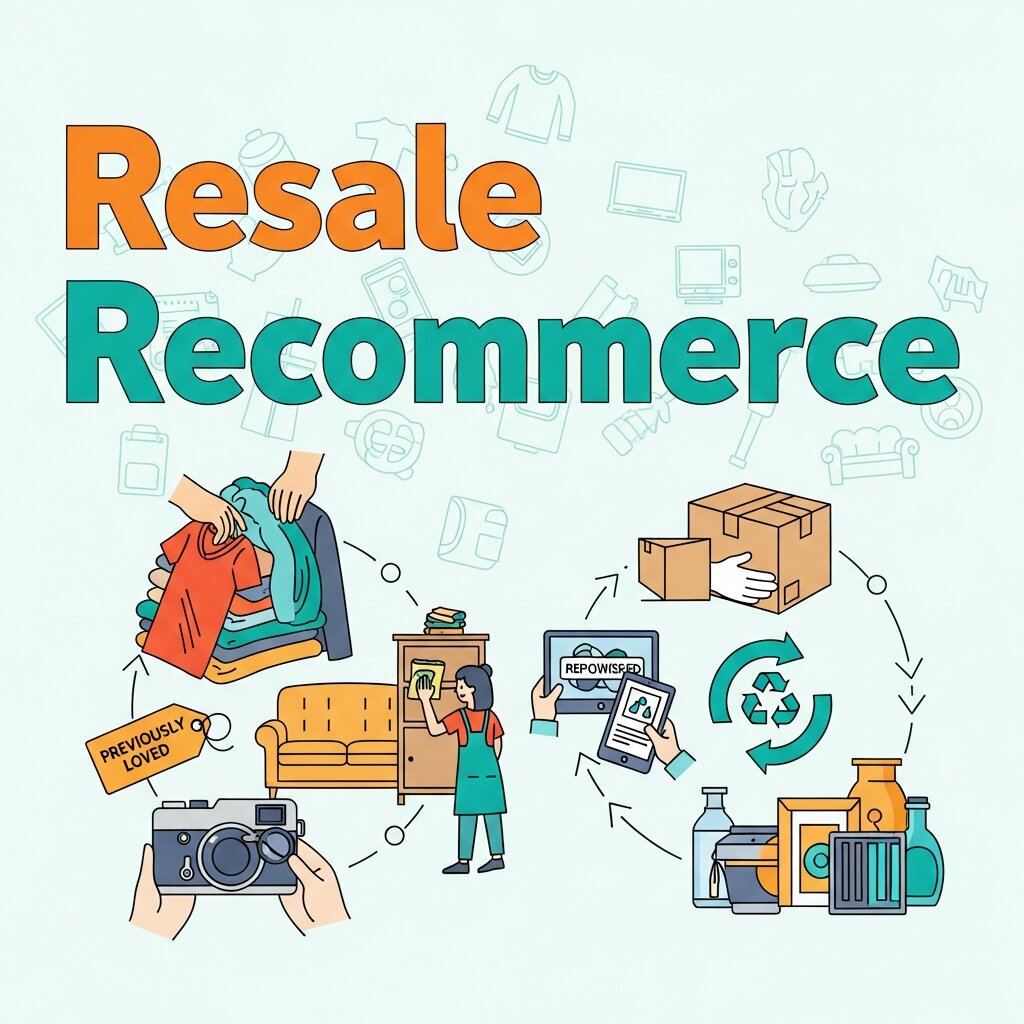 The secondhand market is booming, and it’s no longer confined to thrift shops. Online resale platforms have turned used clothing into a thriving business that rivals fast fashion in growth.
The Rise of Peer-to-Peer Platforms
Sites like ThredUp, Vestiaire Collective, and Depop connect buyers and sellers directly, making it easy to offload clothes you no longer wear and snap up pre-loved pieces. The global secondhand apparel market is projected to reach well over $300 billion by the end of the decade, growing far faster than traditional retail.
This growth signals a major mindset shift. Buying used is no longer seen as a compromise—it’s a smart, stylish, and sustainable choice. For many shoppers, scoring a vintage designer bag or a barely-worn jacket feels like a win on every front.
Brand-Led Resale Programs
Some brands are launching their own resale channels rather than ceding the market to third parties. Patagonia’s Worn Wear and Levi’s SecondHand let customers trade in old items and buy refurbished ones directly from the source. This keeps the brand in control of quality, reinforces customer loyalty, and captures revenue that would otherwise go elsewhere.
Made-to-Order and On-Demand Production
Overproduction is one of fashion’s dirtiest secrets. Billions of dollars worth of unsold clothing is discarded or destroyed every year. Made-to-order models flip this equation by producing items only after a customer places an order.
Cutting Waste at the Source
When brands manufacture on demand, they eliminate the guesswork of forecasting trends and overstocking shelves. There’s no surplus inventory to liquidate or dump. This approach drastically reduces waste while allowing for personalization, since each piece can be tailored to the buyer.
The trade-off is patience. Customers must wait longer for their orders, and brands need agile supply chains to keep production times reasonable. Advances in digital manufacturing and 3D knitting are making this model more viable than ever, narrowing the gap between order and delivery.
Where On-Demand Shines
On-demand production fits premium and niche brands particularly well. Shoppers willing to wait for a custom or limited piece tend to value quality and exclusivity over instant gratification. This model also pairs nicely with direct-to-consumer brands that already manage their own production.
Circular Design and Take-Back Systems
The most ambitious innovative fashion business models aim to close the loop entirely. Circular fashion designs garments with their entire lifecycle in mind, ensuring materials can be recovered and reused rather than thrown away.
Designing for Durability and Recyclability
Circular design starts at the drawing board. Brands choose materials that can be recycled, use construction methods that allow easy disassembly, and build pieces meant to last. The goal is a system where old garments become the raw material for new ones, much like the resourcefulness behind innovative garden ideas that compost waste into fertile soil.
Take-Back and Recycling Programs
Take-back schemes invite customers to return worn-out clothing so it can be recycled or repurposed. Brands like Eileen Fisher have built entire programs around collecting and remaking old garments. While textile recycling technology still has limits, these efforts push the industry toward a future where nothing goes to waste.
How Technology and Finance Power Sustainable Fashion
Sustainability isn’t only about materials and design. The systems behind the scenes matter just as much, and technology plays a starring role.
Digital Tools for Transparency
Blockchain and QR codes now let shoppers trace a garment’s journey from raw fiber to finished product. This transparency builds trust and holds brands accountable for their claims. Data analytics also help brands predict demand more accurately, reducing the overproduction that plagues the industry.
The Role of Business Banking Innovation
Scaling a sustainable fashion business takes capital, and access to funding can make or break a young brand. Business banking innovation—from green loans to fintech platforms tailored for small businesses—is giving sustainable startups new ways to fund inventory, manage cash flow, and invest in eco-friendly production. These financial tools lower the barriers that once kept ethical brands from competing with fast fashion giants.
What the Future Holds for Sustainable Fashion
 The momentum behind these models shows no sign of slowing. As regulations tighten and consumers grow savvier, brands that cling to the old throwaway model will struggle to keep up. Those that embrace circularity, transparency, and new ownership models will define the next era of fashion.
We’re likely to see hybrid approaches emerge—brands that combine rental, resale, and made-to-order under one roof. Technology will continue to shrink the gap between sustainability and convenience, making the responsible choice the easy one. And as more capital flows toward ethical fashion, the playing field will keep leveling.
Challenges in Scaling Sustainable Fashion Models
While innovative fashion business models offer clear environmental and economic benefits, scaling them is not without challenges. Rental and resale platforms often face high logistics costs, including cleaning, repairs, and reverse shipping. Made-to-order systems require highly flexible supply chains, which can be difficult for smaller brands to establish. Additionally, consumer behavior remains a barrier, as many shoppers are still accustomed to fast, low-cost purchases with instant delivery. Overcoming these challenges requires investment in technology, stronger infrastructure, and ongoing education to shift consumer expectations toward long-term value instead of short-term consumption.
The Role of Consumer Behavior in Fashion Innovation
Consumer behavior plays a central role in the success of sustainable fashion models. As awareness of environmental issues grows, shoppers are increasingly prioritizing ethical production, durability, and transparency. Social media and digital platforms have accelerated this shift by making it easier for consumers to discover resale marketplaces, rental services, and eco-friendly brands. However, convenience and price still heavily influence purchasing decisions. For innovative fashion models to succeed at scale, they must strike a balance between sustainability and accessibility, ensuring that responsible choices are also easy and affordable for everyday consumers.
Emerging Technologies Transforming Fashion Business Models
Technology is rapidly reshaping how fashion businesses operate and deliver value. Artificial intelligence is improving demand forecasting, helping brands reduce overproduction and better match supply with real consumer demand. 3D design and virtual prototyping allow companies to test products digitally before physical production, reducing waste and development costs. Blockchain technology is enhancing supply chain transparency by tracking materials from origin to finished product. Meanwhile, augmented reality is changing how customers shop by enabling virtual try-ons. Together, these technologies are accelerating the shift toward more efficient, transparent, and sustainable fashion ecosystems.
FAQs
1. What are innovative fashion business models?
Innovative fashion business models are new approaches to how fashion brands design, produce, sell, and distribute clothing. They include rental, resale, made-to-order, and circular fashion systems that focus on sustainability and efficiency.
2. Why are fashion business models changing?
Traditional fast fashion has led to overproduction, environmental damage, and waste. Changing consumer expectations around sustainability, transparency, and ethical production are pushing brands to adopt more responsible business models.
3. What is a fashion rental business model?
A fashion rental model allows customers to rent clothing for a limited time instead of buying it. This reduces waste, increases garment usage, and gives consumers access to a wider variety of styles at a lower cost.
4. How does the resale fashion model work?
Resale models enable customers to buy and sell pre-owned clothing through platforms or brand-run programs. This extends the life of garments and reduces the demand for new production.
5. What is made-to-order fashion?
Made-to-order fashion means clothing is produced only after a customer places an order. This helps eliminate overproduction and reduces inventory waste while allowing for more personalized products.
6. Are sustainable fashion models profitable?
Yes. Many innovative fashion models generate strong revenue through subscriptions, resale commissions, and premium pricing. They also reduce costs related to excess inventory and waste.
7. How does circular fashion benefit the environment?
Circular fashion focuses on reusing, recycling, and repurposing materials so clothing stays in use longer. This reduces landfill waste, lowers carbon emissions, and conserves natural resources.
8. What role does technology play in fashion innovation?
Technology helps improve demand forecasting, supply chain transparency, digital product tracking, and customer engagement. It also supports sustainable production methods like on-demand manufacturing.
9. Can small fashion brands use these models?
Yes. Small and startup brands can adopt rental, resale, or made-to-order models at a smaller scale to reduce risk, lower upfront costs, and build a sustainability-focused identity.
10. What is the future of fashion business models?
The future is likely to be hybrid, combining rental, resale, and circular systems. Sustainability, digital innovation, and customer-driven design will continue shaping the fashion industry.
Building a More Sustainable Wardrobe and Industry
The fashion industry’s reinvention is already underway, driven by innovative fashion business models that prove profit and sustainability can coexist. Rental, resale, made-to-order, and circular design each tackle a different piece of the waste problem, and together they point toward a cleaner, smarter future.
If you’re a fashion entrepreneur, now is the time to explore which of these models fits your brand and audience. Start small, test what works, and build sustainability into your foundation rather than bolting it on later. If you’re a shopper, your choices carry weight too—renting, buying secondhand, and supporting circular brands all send a clear signal about the kind of industry you want to see.

Leave a Reply