

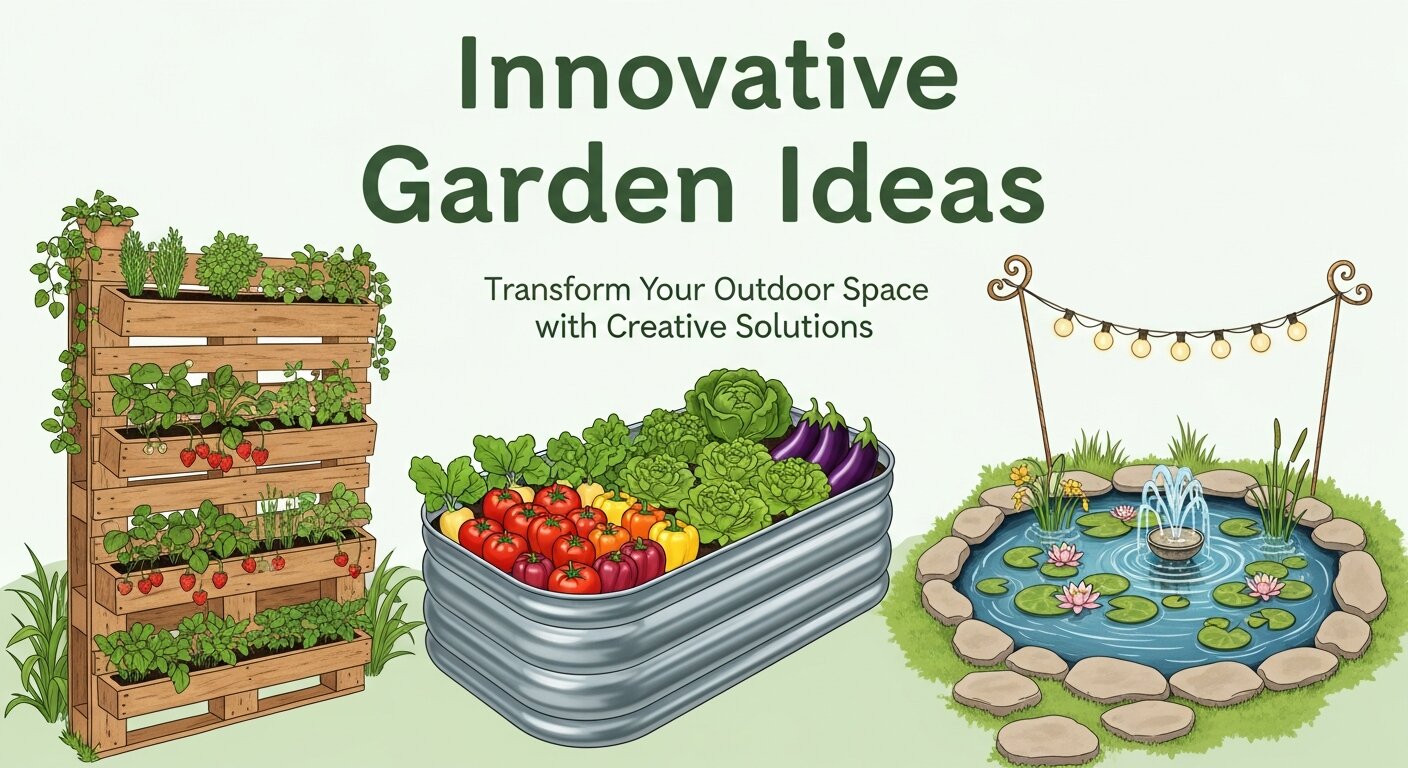
Your backyard has the potential to be much more than a simple patch of grass. An outdoor space should act as a natural extension of your home, offering a quiet retreat, a vibrant entertainment area, or a hub for sustainable living. Many homeowners struggle to see past the traditional lawn and flowerbed setup, missing out on the incredible possibilities that lie just outside their back door.
Rethinking your landscaping allows you to maximize every square inch of your property. By implementing a few creative strategies, you can turn a neglected yard into a stunning oasis that reflects your personal style. Small urban balconies, sprawling suburban lawns, and everything in between can benefit from a fresh perspective and a touch of creativity.
Exploring innovative garden ideas will help you break free from conventional landscaping norms. This guide explores a variety of unique concepts, from high-tech integrations and vertical planting to eco-friendly designs. You will discover practical ways to elevate your outdoor aesthetic, improve environmental sustainability, and create a truly multifunctional space.
Reaching New Heights with Vertical Gardening
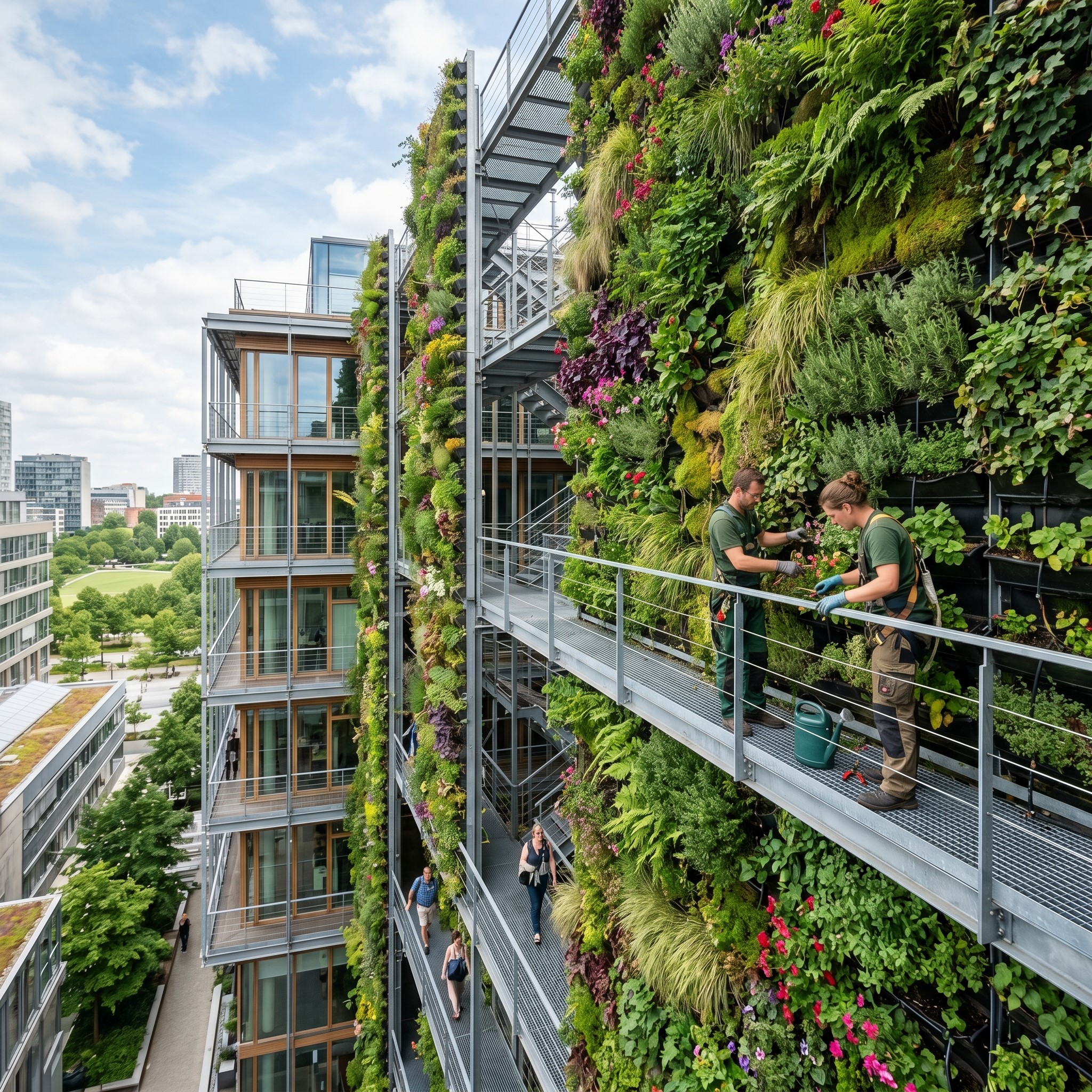 Ground space is often limited, especially in urban environments. Vertical gardening solves this problem by training plants to grow upwards rather than spreading outwards. This approach immediately draws the eye, creating a lush, immersive environment even in the smallest of yards.
Living Walls and Green Screens
A living wall involves covering a vertical surface with growing plants, supported by an integrated soil and irrigation system. You can install these on exterior house walls, boundary fences, or custom freestanding structures. Ferns, mosses, and trailing vines work beautifully to create a dense, textured tapestry of greenery. Besides their striking visual appeal, living walls help insulate buildings, reduce noise pollution, and purify the surrounding air.
If a full living wall seems too complex, consider green screens. By planting fast-growing climbing plants like jasmine, ivy, or climbing roses at the base of a simple trellis, you can quickly establish a natural privacy barrier. These screens are perfect for shielding your patio from neighboring properties while adding a lovely floral scent to your outdoor seating area.
Hanging Planters and Tiered Shelving
Suspend hanging planters from pergolas, roof overhangs, or sturdy tree branches to add depth and visual interest to your landscape. Mixing trailing plants like string of pearls or cascading petunias with upright varieties creates a dynamic display.
Tiered shelving units offer another excellent way to display potted plants vertically. Repurpose an old wooden ladder or invest in custom metal plant stands to arrange herbs, succulents, and small flowers. This keeps your favorite plants easily accessible for watering and pruning while freeing up valuable floor space for patio furniture.
Embracing Sustainable and Eco-Friendly Practices
Modern landscaping places a heavy emphasis on environmental responsibility. By adopting eco-friendly practices, your garden can support local wildlife, conserve vital resources, and reduce your overall carbon footprint.
Rainwater Harvesting Systems
Water conservation is a critical component of any sustainable yard. Rainwater harvesting systems collect runoff from your roof and store it for later use. While traditional rain barrels are functional, you can integrate more sophisticated, visually appealing cisterns that blend seamlessly with your landscape design.
Use this harvested water to hydrate your flowerbeds and vegetable patches during dry spells. Plants actually prefer rainwater to tap water, as it is free from the chlorine and fluoride typically found in municipal supplies.
Drought-Resistant Native Plants
Xeriscaping is the practice of designing landscapes to reduce or eliminate the need for irrigation. The easiest way to achieve this is by planting flora native to your specific region. Native plants have spent thousands of years adapting to local soil conditions and rainfall levels, meaning they require very little human intervention to thrive.
Incorporating drought-resistant succulents, ornamental grasses, and hardy shrubs minimizes your water usage and lowers your utility bills. Furthermore, native flowers provide essential habitats and food sources for local pollinators like bees, butterflies, and hummingbirds.
Integrating Smart Technology Outdoors
 The smart home revolution has officially moved outside. Integrating technology into your landscaping takes the guesswork out of plant care and enhances the overall ambiance of your outdoor living areas.
Automated Irrigation Systems
Maintaining the perfect moisture level for different plant varieties can be a tedious chore. Smart irrigation systems monitor local weather forecasts and real-time soil moisture levels to deliver the exact amount of water needed. You can control these systems directly from your smartphone, ensuring your plants stay healthy even while you are away on vacation.
Solar-Powered Smart Lighting
Outdoor lighting extends the usability of your space well into the evening. Solar-powered smart lights eliminate the need for complex wiring and draw their energy completely from the sun. You can customize the color, brightness, and schedule of these lights through mobile apps or voice commands. Use pathway lights to ensure safe navigation, spotlights to highlight architectural features or large trees, and string lights to create a warm, inviting atmosphere around your dining area.
Designing Multi-Functional Outdoor Zones
A thoughtfully designed yard should cater to various activities and lifestyles. By segmenting your property into distinct zones, you can create a versatile environment that serves multiple purposes simultaneously.
The Outdoor Home Office
With remote work becoming a permanent fixture for many professionals, the outdoor office is gaining immense popularity. A sturdy pergola equipped with a weather-resistant canopy provides shade and glare reduction for laptops. Add a comfortable ergonomic chair, a durable outdoor desk, and a Wi-Fi extender to ensure a strong internet connection. Working amidst nature reduces stress, boosts productivity, and provides a refreshing change of scenery from the indoor home office.
Entertainment and Dining Areas
Al fresco dining is one of the greatest joys of having an outdoor space. Create a dedicated dining zone by installing a solid patio surface made of natural stone or composite decking. Center the space around a robust outdoor dining table and comfortable seating.
To take your entertaining to the next level, consider adding an outdoor kitchen. A built-in grill, prep counter, and small outdoor refrigerator allow you to prepare meals and socialize with guests without constantly running back inside. A nearby fire pit surrounded by lounge chairs provides the perfect spot for late-night conversations and roasting marshmallows.
Cultivating Creativity Beyond the Yard
The benefits of a thriving garden often extend far beyond the property line. Your outdoor space can spark creativity and inspire projects in completely unexpected areas of your life.
For instance, growing unique herbs, rare botanicals, or organic produce has inspired many creative individuals to brainstorm innovative business ideas. You might discover a passion for creating artisanal hot sauces from your homegrown peppers, selling bespoke organic skincare products infused with garden lavender, or offering landscaping consultation services in your local community.
Your harvest can also elevate your personal gifting. You can press beautiful ferns and vibrant flower petals grown in your own backyard to create innovative gift wrapping ideas. Tying a sprig of fresh rosemary or a dried hydrangea bloom to a plainly wrapped package adds a thoughtful, personalized, and aromatic touch that store-bought bows simply cannot match.
Adding Water Features for a Calming Atmosphere
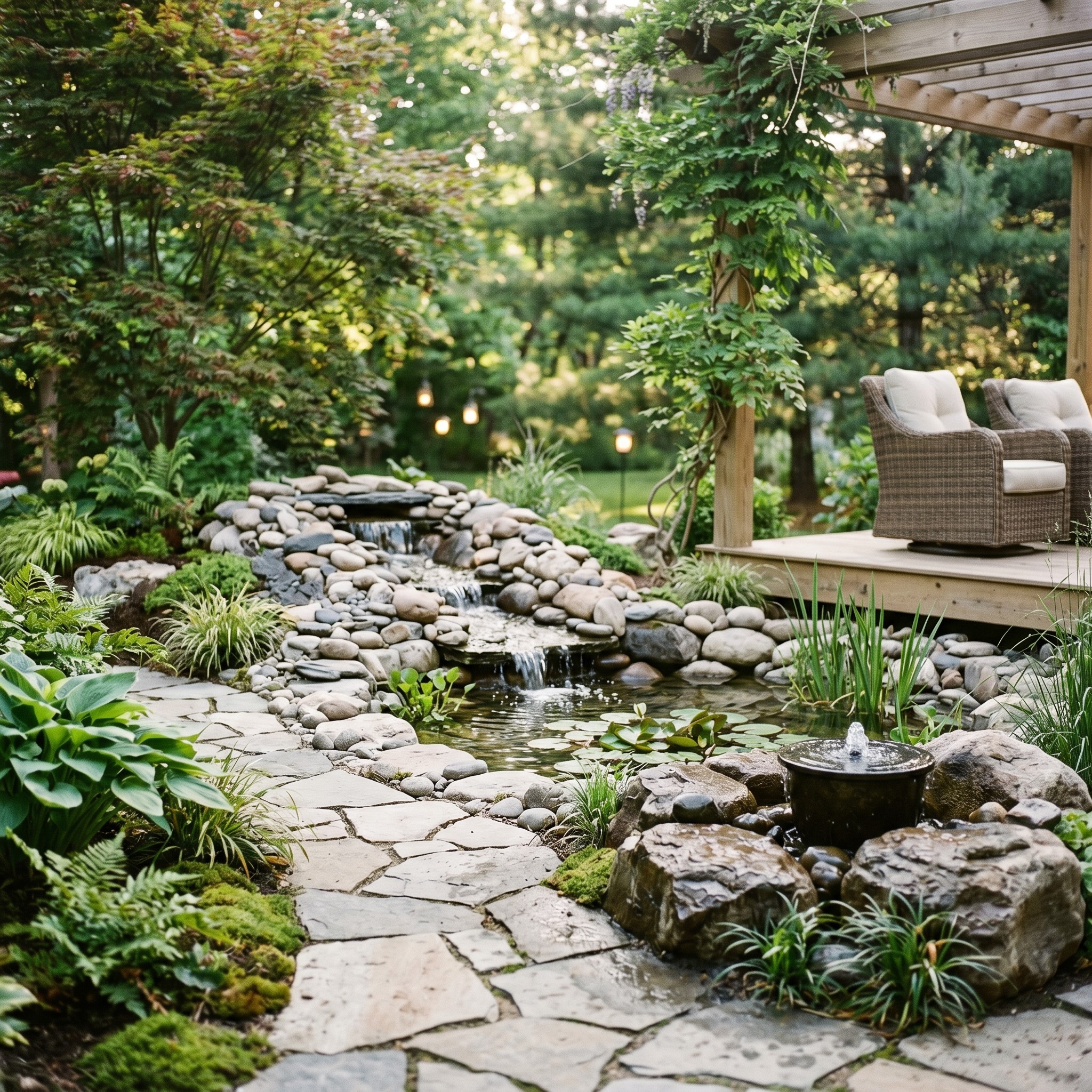 Incorporating water features into your backyard can instantly elevate its ambiance and create a sense of tranquility. Elements like small fountains, ponds, or cascading waterfalls introduce soothing sounds that help mask unwanted noise from nearby traffic or neighbors. Even a compact space can accommodate a simple tabletop fountain or a sleek wall-mounted water feature. These additions not only enhance visual appeal but also attract birds and other wildlife, enriching your outdoor ecosystem. With proper placement and design, water features can become a stunning focal point that promotes relaxation and transforms your garden into a peaceful retreat.
Creating a Backyard Wellness Space
Transforming your outdoor area into a wellness zone can significantly improve your mental and physical well-being. Designate a quiet corner for yoga, meditation, or stretching exercises by adding soft flooring, greenery, and minimal distractions. Incorporating elements like bamboo screens, calming plants, and gentle lighting enhances the relaxing atmosphere. You can also include features such as a hammock or a lounge chair for reading and unwinding. A dedicated wellness space encourages you to spend more time outdoors, helping reduce stress and improve overall health. This thoughtful addition turns your backyard into a personal sanctuary for relaxation and rejuvenation.
Incorporating Edible Gardens for Fresh Living
An edible garden combines beauty with practicality by allowing you to grow your own fruits, vegetables, and herbs. Raised garden beds, container gardening, or even vertical planters can be used to cultivate fresh produce in limited spaces. Growing your own food ensures access to organic, chemical-free ingredients while reducing grocery expenses. Herbs like basil, mint, and coriander are easy to maintain and highly versatile in cooking. Beyond the practical benefits, tending to an edible garden can be a rewarding and therapeutic activity. It connects you with nature and adds a functional, sustainable dimension to your outdoor space.
Using Hardscaping to Enhance Structure and Style
Hardscaping elements such as stone pathways, wooden decks, and retaining walls provide structure and definition to your backyard. These features help organize your space while reducing maintenance compared to traditional lawns. A well-designed pathway can guide movement through your garden, creating a natural flow between different zones. Patios and decks offer stable surfaces for furniture and gatherings, making your outdoor space more usable. Choosing durable materials ensures long-term functionality and aesthetic appeal. By combining hardscaping with greenery, you can achieve a balanced design that is both visually striking and easy to maintain.
Seasonal Garden Planning for Year-Round Appeal
A well-planned garden should look attractive throughout the year, not just during a single season. By selecting a mix of plants that bloom at different times, you can ensure continuous color and interest. Incorporating evergreen plants provides structure during colder months, while seasonal flowers add vibrant bursts of color. Rotating decorative elements and adjusting layouts based on the season keeps your outdoor space fresh and engaging. Planning ahead also helps you maintain a consistent gardening routine. With thoughtful seasonal design, your backyard remains inviting and beautiful all year long, regardless of changing weather conditions.
Frequently Asked Questions
What are the best garden ideas for small spaces?
Vertical gardening is ideal for small spaces, allowing plants to grow upward instead of outward. Use hanging planters, wall-mounted pots, and compact plant varieties to maximize space. Keep the design simple and clutter-free, and incorporate multi-functional furniture to make your small outdoor area practical and visually appealing.
How can I make my backyard more eco-friendly?
To create an eco-friendly backyard, use native plants that require less water and maintenance. Install rainwater harvesting systems and switch to solar-powered lighting. Compost organic waste to enrich soil naturally. These steps help reduce environmental impact while creating a sustainable and cost-effective outdoor space.
What is the easiest way to upgrade my backyard on a budget?
You can upgrade your backyard by adding simple elements like outdoor lighting, repainting furniture, or introducing new plants. DIY projects such as small garden beds or vertical planters are cost-effective. Rearranging existing furniture and adding decorative items like cushions can quickly refresh the overall look.
How do I create a functional outdoor living space?
Start by dividing your backyard into zones such as dining, relaxation, and gardening areas. Add comfortable seating, proper shading, and durable materials. Features like a fire pit or outdoor kitchen enhance usability. Good lighting ensures the space remains functional and inviting even during the evening.
What are some low-maintenance landscaping tips?
Choose perennial and native plants that thrive with minimal care. Use mulch to retain moisture and prevent weeds. Install an automated irrigation system to save time. Incorporate hardscaping elements like stone or gravel to reduce maintenance, allowing you to enjoy a beautiful garden with less effort.
Ready to Reinvent Your Backyard?
Revitalizing your outdoor space requires a blend of imagination, planning, and a willingness to try new things. Whether you decide to build a towering living wall, integrate smart irrigation, or establish a quiet outdoor workspace, every small change contributes to a more functional and beautiful environment.
Start by identifying the one area of your yard that currently frustrates you the most. Sketch out a few potential solutions based on the concepts discussed above, and begin drafting a budget. By taking that first step today, you are well on your way to crafting a spectacular outdoor sanctuary that you and your family will enjoy for years to come.

Leave a Reply