

Starting a new venture requires more than just capital and a basic plan. You need a unique concept that captures attention and solves real problems for consumers. Markets shift rapidly, and consumer demands evolve with new technologies and cultural trends. Staying ahead means looking past conventional models and finding fresh approaches to everyday challenges.
Many entrepreneurs struggle to find a niche that balances creativity with solid profit potential. You might have the drive to succeed, but without a compelling concept, gaining traction is incredibly difficult. Finding the right angle can transform a modest startup into a highly lucrative enterprise. The key is to look at existing industries and ask how you can deliver an experience that feels entirely new.
This guide explores several creative sectors ripe for disruption. We will examine specific niches, from retail products to travel, and highlight concepts you can adapt for your own ventures. By studying these innovative business ideas, you will gain the inspiration needed to build a brand that stands out, attracts loyal customers, and secures a profitable future.
Innovative product ideas
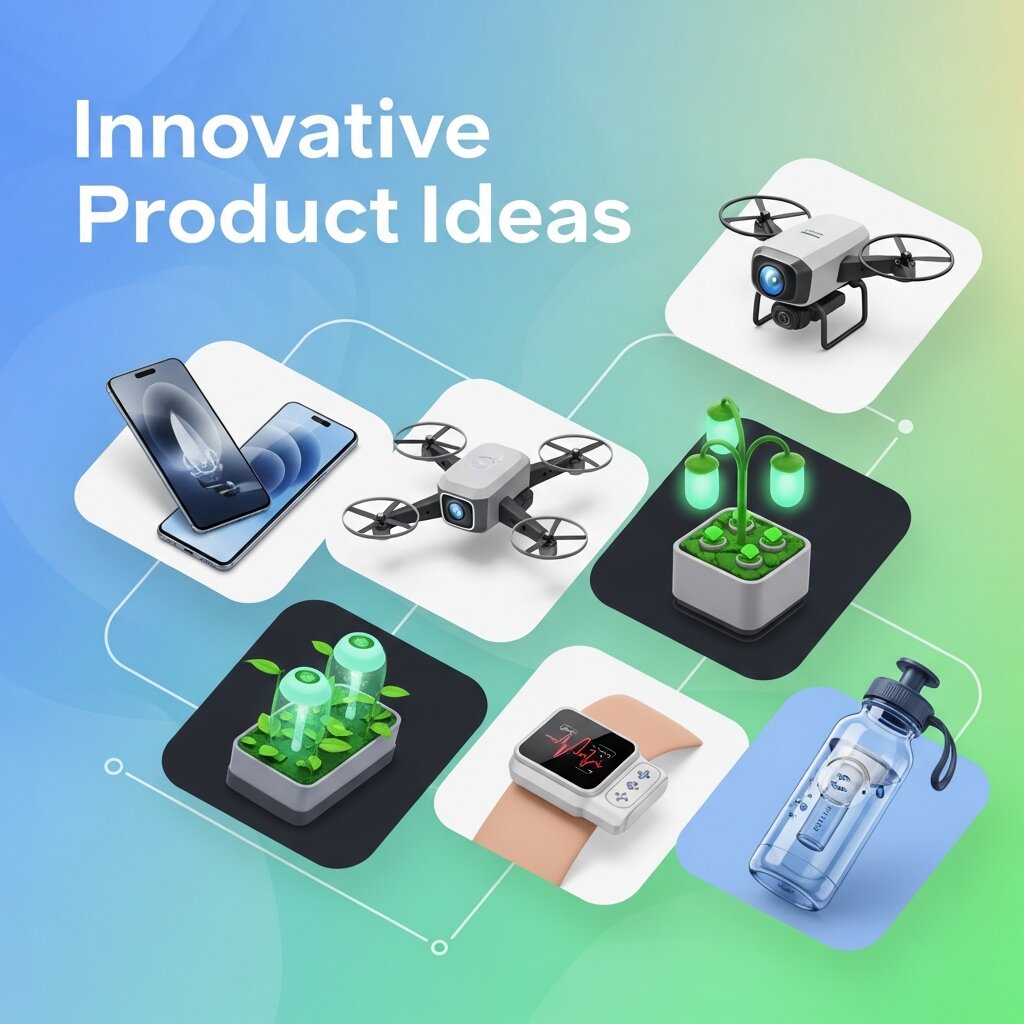 Developing a physical or digital item that people genuinely want to buy is the foundation of many successful startups. Consumers constantly seek items that make their lives easier, healthier, or more enjoyable. You can capture significant market share by rethinking how standard items are designed, manufactured, or delivered.
Eco-friendly smart home devices
Smart home technology is booming, but many devices contribute to electronic waste. You could develop a line of smart plugs, sensors, or lighting systems made entirely from biodegradable plastics or recycled materials. Adding solar charging capabilities to small indoor devices also appeals to environmentally conscious homeowners who want convenience without the heavy carbon footprint.
Modular electronics
People grow frustrated when a single broken component forces them to replace an entire device. A business focused on modular electronics allows customers to upgrade or repair specific parts, like a laptop screen or a phone battery, with simple snap-in components. This approach builds massive customer loyalty because it saves the consumer money over time while reducing landfill waste.
Nootropic beverages
The beverage industry always has room for new functional drinks. Formulating sparkling waters or teas infused with natural nootropics—compounds that support cognitive function and focus—targets busy professionals and students. Instead of relying on heavy caffeine doses, these drinks offer sustained mental clarity using ingredients like lion’s mane mushroom, L-theanine, and ginseng.
Innovative customer engagement ideas
 Getting a customer to buy once is a great start. Getting them to return repeatedly requires a deep connection with your brand. Companies that prioritize unique interactions often see higher retention rates and better word-of-mouth marketing.
Gamified loyalty programs
Traditional point systems often feel boring and unrewarding. You can elevate this by turning the shopping experience into a game. Customers could unlock digital badges, spin virtual wheels for discounts, or complete “quests” like trying a new product category to earn premium rewards. This strategy turns a simple transaction into a fun daily or weekly habit.
Augmented reality previews
Shopping online lacks the tactile feedback of a physical store. Implementing augmented reality (AR) directly into your mobile app or website bridges this gap. A furniture company can let buyers see exactly how a sofa fits in their living room. A cosmetics brand can allow users to virtually try on lipstick shades using their smartphone camera. This technology drastically reduces return rates and boosts buyer confidence.
Community-driven product development
Instead of guessing what your market wants, invite them into the creation process. You can host monthly live streams or private forums where your top customers vote on upcoming product colors, flavors, or features. This deep level of inclusion makes buyers feel like stakeholders in your company, practically guaranteeing sales when the new item officially launches.
Innovative ideas for travel business
 The travel industry experienced massive shifts over the last few years. Modern tourists want more than a standard hotel room and a crowded bus tour. They crave authentic, personalized, and sustainable experiences.
Digital nomad retreats
Remote work allows millions of people to do their jobs from anywhere on earth. You can create specialized retreats designed specifically for digital nomads. These packages would include reliable high-speed internet, ergonomic workspaces, and networking events, combined with local cultural excursions. It caters to a growing demographic that wants to travel without sacrificing their professional productivity.
Hyper-local cultural immersion tours
Many travelers want to avoid tourist traps. A business that connects visitors with local artisans, farmers, or historians offers a deeply authentic experience. You could organize small-group tours where guests learn to cook a regional dish in a local family’s kitchen or craft traditional pottery in a working studio. These localized experiences command premium pricing.
Carbon-negative vacation packages
Eco-tourism is popular, but you can push the concept further by offering entirely carbon-negative trips. This involves calculating the environmental impact of a guest’s travel, lodging, and activities, and then investing a portion of their fee into aggressive reforestation or ocean cleanup projects. Marketing a vacation that actually heals the planet appeals strongly to younger, climate-conscious demographics.
Innovative garden ideas
Urbanization means fewer people have access to large, sprawling backyards. However, the desire to grow fresh food and cultivate beautiful plants remains strong. Businesses that adapt gardening for tight spaces and modern lifestyles are seeing tremendous growth.
Subscription seed and soil boxes
Taking the guesswork out of gardening is a fantastic business model. You can offer a seasonal subscription box tailored to the customer’s specific climate zone. Each box would contain pre-measured soil nutrients, beginner-friendly seeds, and step-by-step planting guides. As the seasons change, the customer automatically receives the exact supplies they need to keep their garden thriving.
Vertical hydroponic towers
Urban dwellers often only have a small balcony or a sunny window. Manufacturing and selling sleek, automated vertical hydroponic systems allows anyone to grow lettuce, herbs, and tomatoes indoors. These towers use water efficiently and require no soil. By adding a smartphone app that alerts the user when to add water or nutrients, you make gardening accessible to complete novices.
Rent-a-garden plots with professional maintenance
Some people want the benefits of a fresh garden but lack the time to tend it. You can lease small plots of land on the outskirts of a city and offer a hybrid service. Customers choose what they want to grow, and your team handles the heavy lifting, weeding, and watering. The customer gets to visit, harvest their organic produce, and enjoy the fun parts of gardening without the daily chore.
Innovative gift wrapping ideas
The gifting industry generates billions of dollars annually, but traditional wrapping paper creates mountains of waste every holiday season. Consumers are actively looking for beautiful, sustainable alternatives that elevate the act of giving. Read more about this topic: Innovative Gift Wrapping Ideas for Every Occasion
Reusable fabric wraps (Furoshiki)
Inspired by traditional Japanese methods, selling beautifully patterned fabric wraps offers a chic, zero-waste alternative to paper. The fabric itself becomes part of the gift. You can build a brand around high-quality, sustainably sourced cotton or silk wraps, providing online tutorials showing customers how to fold and tie them elegantly around various shapes and boxes.
Plantable wrapping paper
Imagine tearing the paper off a birthday gift and planting it in the yard to grow wildflowers. Manufacturing wrapping paper embedded with non-invasive flower or herb seeds is a highly marketable concept. The paper is completely biodegradable, and it leaves the recipient with a lasting, living reminder of the occasion.
Personalized audio-encoded tags
Adding a digital layer to physical gifts creates a memorable surprise. You can sell premium gift tags equipped with unique QR codes. The gift giver scans the code to record a personal voice message or a video greeting. When the recipient opens the gift, they scan the tag with their phone to hear the special message. It adds a deeply personal touch to any present.
Innovative birthday card ideas
Greeting cards are a staple of celebrations, but a standard folded piece of cardstock often ends up in the recycling bin a week later. Reinventing the birthday card can help you capture a highly profitable niche in the stationery market.
Pop-up holographic cards
While traditional pop-up cards are fun, you can integrate technology to make them magical. By placing a small, transparent plastic pyramid inside the card and directing the user to place their smartphone underneath it, you can project a 3D holographic animation. The recipient watches a tiny virtual character dance or sing a birthday song, turning a simple card into a miniature event.
Edible greeting cards
Merging the bakery and stationery industries leads to edible greeting cards. Using wafer paper and food-grade edible ink, you can print custom messages and vibrant designs on flat, delicious treats. Flavors could range from vanilla to dark chocolate. Instead of throwing the card away, the recipient gets to eat it.
Puzzle and mystery cards
Engage the recipient’s mind by turning the birthday card into a mini escape room or puzzle. The sender writes their message, but it is locked behind a series of riddles or a physical combination lock built into the heavy cardstock. The recipient must solve the clues to reveal the heartfelt message inside. This interactive element makes the card unforgettable and highly shareable on social media.
Frequently Asked Questions (FAQ)
1. What are innovative business ideas?
Innovative business ideas are unique concepts that solve problems in new or improved ways. They often combine creativity, technology, and market demand to create products or services that stand out from traditional offerings.
2. How do I find a profitable business idea?
Start by identifying problems in everyday life or gaps in existing markets. Research trends, analyze customer needs, and test your idea with a small audience before scaling.
3. Do innovative business ideas require a lot of investment?
Not always. Many innovative ideas can start with low investment by using digital tools, small-scale production, or service-based models. The key is validating your idea before investing heavily.
4. What is an MVP in business?
MVP stands for Minimum Viable Product. It is a basic version of your product or service designed to test your idea in the market with minimal resources.
5. Why is customer engagement important for startups?
Customer engagement helps build trust, loyalty, and repeat business. Engaged customers are more likely to recommend your brand and contribute to long-term growth.
6. How can technology improve my business idea?
Technology can automate processes, enhance customer experience, and provide valuable insights through data analysis. It also helps businesses scale faster and operate more efficiently.
7. Are eco-friendly business ideas profitable?
Yes, eco-friendly businesses are growing rapidly as consumers become more environmentally conscious. Sustainable products often attract loyal customers and can command premium pricing.
8. What are the risks of starting an innovative business?
Risks include market uncertainty, competition, financial challenges, and execution issues. Proper planning, research, and adaptability can help reduce these risks.
9. How do I validate my business idea?
You can validate your idea by creating a prototype, running surveys, collecting feedback, or launching a small pilot version to test customer interest.
10. Can small businesses compete with large companies?
Yes, small businesses can compete by offering unique value, personalized experiences, and niche-focused solutions that larger companies may overlook.
Turning these concepts into reality
Having a great idea is only the first phase of the entrepreneurial journey. Execution dictates your success. Before investing heavily in manufacturing or software development, you must validate your chosen concept.
Start by building a minimal viable product (MVP). If you are testing plantable wrapping paper, create a small batch by hand and try selling it at local craft fairs or through a simple online landing page. Pay close attention to customer feedback. Are they willing to pay your asking price? Do they understand how the product works?
Once you prove there is a paying market for your concept, you can focus on scaling. Secure reliable suppliers, optimize your digital storefront, and heavily invest in targeted marketing. The businesses that thrive in the coming years will be the ones that refuse to settle for the status quo. By applying fresh thinking to traditional markets, you position yourself at the forefront of the new economy.

Leave a Reply