

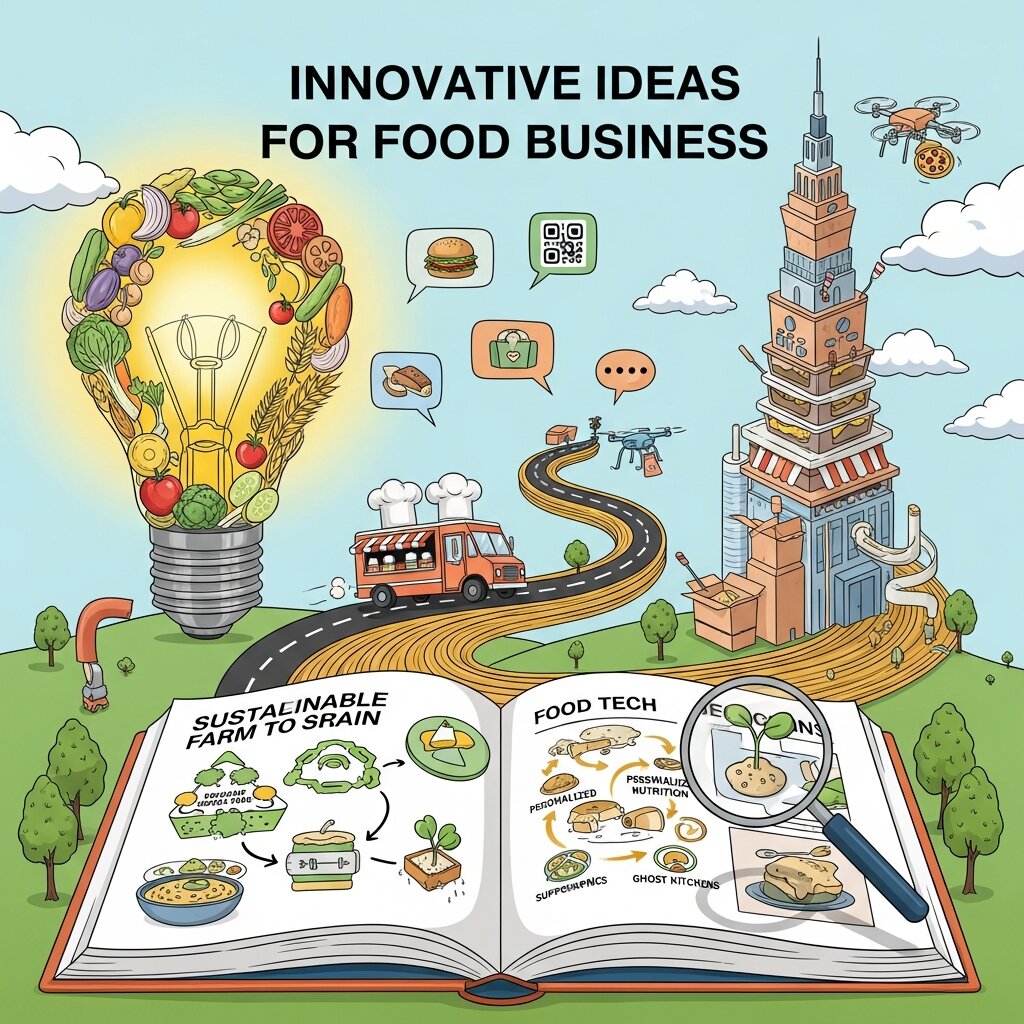
The food industry never sits still. Tastes shift, technology advances, and customer expectations climb higher every year. For restaurant owners, caterers, food truck operators, and packaged goods sellers, staying competitive means doing more than serving great food—it means thinking differently about how you reach, serve, and delight your customers.
If you’ve been searching for innovative ideas for food business growth, you’re in the right place. This guide breaks down practical, forward-thinking strategies you can put to work in 2026. Some focus on technology, others on experience, and a few on smart partnerships you might not have considered yet.
Whether you run a cozy neighborhood café or a growing meal-prep company, these ideas can help you stand out, build loyalty, and increase revenue. Let’s dig in.
Why Innovation Matters More Than Ever in 2026
 Customers have endless options. They can order from a dozen restaurants with a single app, get groceries delivered in under an hour, and discover new brands through a quick scroll on social media. To win their attention—and keep it—food businesses need a fresh approach.
Innovation doesn’t always mean expensive equipment or a complete overhaul. Often, the most effective changes are small, creative tweaks that make your business more memorable, more convenient, or more personal. The businesses that thrive in 2026 will be the ones willing to experiment, listen to their customers, and adapt quickly.
Embrace Technology to Streamline Operations
Technology is one of the biggest levers for growth in any food business. Used well, it saves time, cuts costs, and improves the customer experience.
Use AI for Smarter Menu Planning
Artificial intelligence tools can analyze your sales data to reveal which dishes drive profit and which ones drag you down. By spotting trends, you can refine your menu, reduce food waste, and price items more strategically. Some AI platforms even predict seasonal demand, so you order ingredients more efficiently.
Offer Self-Service Ordering
Self-service kiosks, QR-code menus, and mobile ordering apps speed up service and reduce wait times. They also free up your staff to focus on hospitality rather than taking orders. Customers tend to spend more when they browse a digital menu at their own pace, especially when upsell prompts suggest add-ons.
Automate Inventory and Reordering
Smart inventory systems track your stock in real time and flag items running low. This prevents the dreaded “we’re out of that” moment and helps you avoid over-ordering perishables. The result is less waste and healthier margins.
Create Memorable Customer Experiences
Food is emotional. People remember how a meal made them feel just as much as how it tasted. Building unique experiences keeps customers coming back and gives them stories to share.
Host Themed Pop-Up Events
Pop-ups generate buzz and a sense of urgency. A limited-time taco night, a seasonal dessert series, or a collaboration with a local chef gives people a reason to visit now rather than later. Pop-ups also let you test new concepts without committing to permanent menu changes.
Build Interactive Dining Moments
Interactive experiences turn a simple meal into an event. Think build-your-own bowls, tableside preparation, or cooking classes hosted in your space. These moments encourage social sharing, which acts as free marketing for your brand.
Personalize the Guest Experience
Loyalty programs that remember a customer’s favorite order, birthday rewards, and tailored recommendations make people feel valued. A little personalization goes a long way toward turning a one-time visitor into a regular.
Rethink Packaging and Presentation
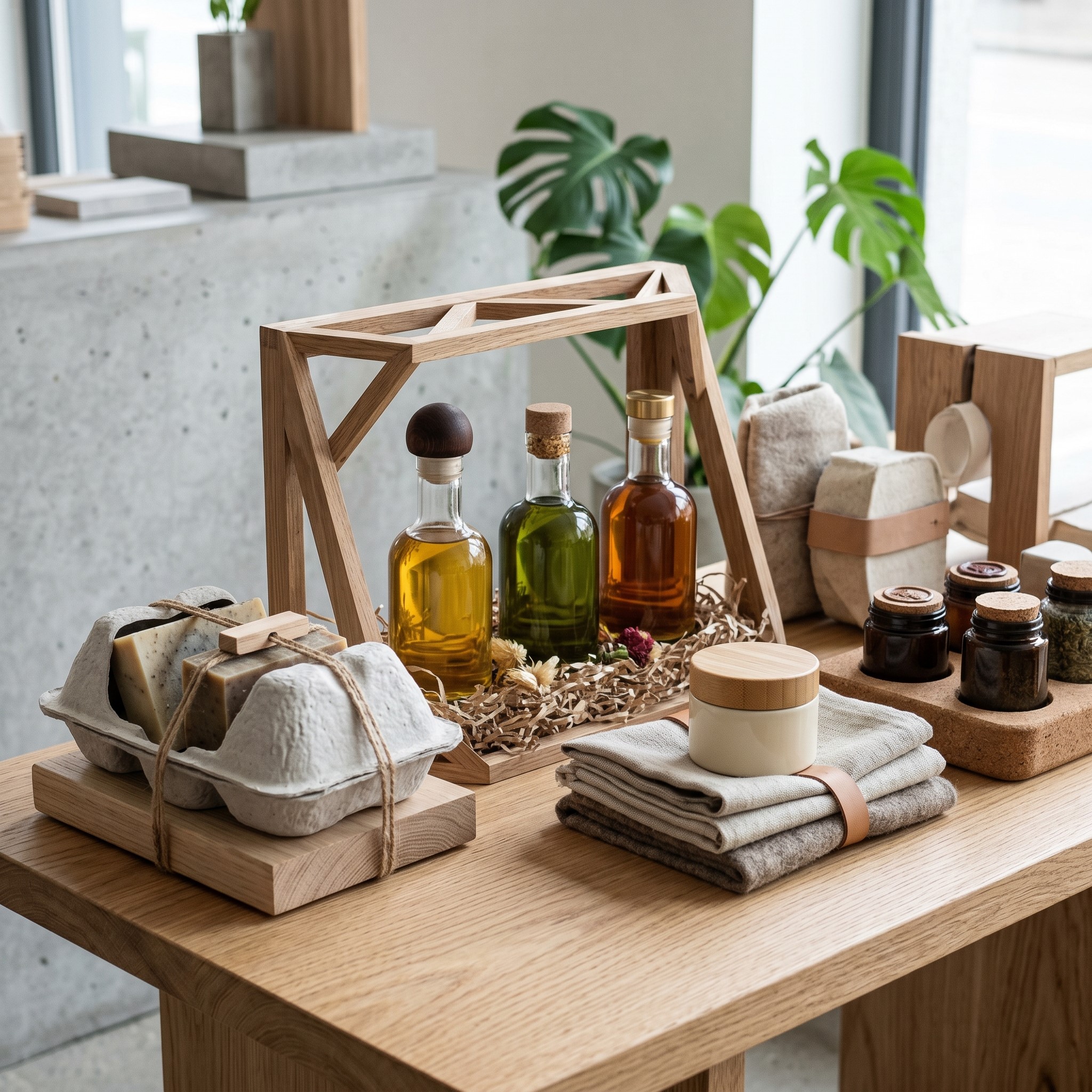 How your food looks and arrives matters more than ever, especially with the boom in takeout and delivery. Smart packaging protects your product, reflects your brand, and creates a moment of delight when customers open it.
Borrowing inspiration from innovative gift wrapping ideas can transform ordinary takeout into something special. Consider branded boxes, custom tissue paper, or a handwritten thank-you note tucked inside. These small touches make customers feel like they’re unwrapping a gift rather than picking up a meal.
Sustainable packaging is also a major draw. Compostable containers, recyclable materials, and minimal plastic show customers you care about the planet—a value that resonates strongly with younger diners. Eco-friendly choices can become a selling point worth highlighting on your menu and social media.
Strengthen Your Marketing With Creative Outreach
Even the best food won’t sell itself. Creative, consistent marketing keeps your business top of mind and brings new customers through the door.
Lean Into Short-Form Video
Short videos remain one of the most powerful tools for food marketing. Behind-the-scenes clips, recipe teasers, and customer reactions perform well across platforms. The goal is to make your audience hungry and curious enough to visit.
Celebrate Customers and Milestones
People love to feel connected to the brands they support. Drawing on innovative birthday card ideas, you might send personalized digital cards or surprise loyal customers with a free dessert on their special day. Celebrating milestones—your business anniversary, a thousandth order, a new location—gives you fresh content and reasons to engage.
Partner With Local Influencers
Local food influencers can introduce your business to engaged, nearby audiences. A single authentic post or review can drive a wave of new visitors. Choose partners whose followers match your target customers for the best return.
Expand Beyond Your Four Walls
Growth doesn’t always mean opening a second location. There are creative ways to reach more people and add revenue without the cost of a full expansion.
Launch a Subscription or Meal Plan
Subscriptions create predictable, recurring income. Weekly meal kits, a coffee-of-the-month club, or a bakery box subscription give customers a reason to commit and keep your cash flow steady.
Sell Packaged Products
If you have a signature sauce, spice blend, or baked good, packaging it for retail opens a new revenue stream. You can sell these products in-store, online, or through local grocery partners, extending your brand into customers’ homes.
Tap Into Outdoor and Garden Dining
Outdoor seating boosts capacity and appeals to customers craving fresh air. Take cues from innovative garden ideas to create an inviting space—think living walls, potted herbs that double as decor, and string lighting for evening ambiance. A well-designed garden setting can become a destination in itself and a backdrop people want to photograph and share.
Build Community and Loyalty
The strongest food businesses feel like part of their community. When customers see you as a neighbor rather than just a vendor, loyalty follows naturally.
Support local causes, sponsor community events, or partner with nearby farms and producers. Sourcing ingredients locally not only improves freshness but also gives you a compelling story to tell. Customers increasingly want to know where their food comes from and feel good about supporting businesses that give back.
Hosting community gatherings—charity dinners, farmers’ market booths, or neighborhood tastings—deepens these relationships. The goodwill you build translates into word-of-mouth referrals, which remain among the most trusted forms of advertising.
Offer Health-Conscious and Specialized Menu Options
Consumer preferences continue to evolve, with many customers actively seeking healthier and more personalized food choices. Adding plant-based meals, gluten-free options, low-carb selections, or allergen-friendly dishes can help your business reach new audiences and increase customer satisfaction. Transparency is equally important, so consider providing nutritional information and ingredient sourcing details whenever possible. These efforts demonstrate a commitment to customer well-being and help build trust. By adapting your menu to accommodate changing dietary trends, your business can remain competitive while attracting health-conscious consumers who value convenience, quality, and choice in their dining experiences.
Develop Strategic Business Partnerships
 Collaborating with other local businesses can create valuable opportunities for growth. Partner with gyms, offices, schools, event venues, or nearby retailers to expand your reach and introduce your products to new customer segments. For example, a meal-prep company might partner with fitness centers, while a bakery could collaborate with local coffee shops. Strategic partnerships can also support joint promotions, bundled offers, and community events that benefit both businesses. These relationships help increase brand visibility, reduce marketing costs, and strengthen your position within the local market. When partnerships align with your target audience, they can become a powerful driver of sustainable business growth.
Use Customer Feedback to Drive Innovation
One of the most effective sources of innovation is your existing customer base. Reviews, surveys, social media comments, and direct conversations provide valuable insights into what customers enjoy and where improvements can be made. Regularly collecting and analyzing feedback helps identify emerging trends, unmet needs, and opportunities for new menu items or services. Customers appreciate businesses that listen and respond to their suggestions, which can strengthen loyalty and trust. By making customer feedback a central part of your decision-making process, you create a culture of continuous improvement that keeps your food business relevant, competitive, and aligned with evolving consumer expectations.
Frequently Asked Questions
1. What are the most innovative ideas for a food business in 2026?
Some of the most effective food business innovations include AI-powered menu planning, subscription meal services, themed pop-up events, personalized loyalty programs, sustainable packaging, self-service ordering systems, and creative social media marketing strategies that enhance customer engagement.
2. How can technology help a food business grow?
Technology improves efficiency, reduces operational costs, and enhances customer experiences. Tools such as online ordering systems, inventory management software, AI analytics, and customer relationship platforms help businesses streamline operations while making data-driven decisions that support growth.
3. Why is customer experience important in the food industry?
Customer experience influences satisfaction, loyalty, and word-of-mouth recommendations. Memorable dining experiences, personalized service, unique events, and thoughtful touches encourage repeat visits and help businesses differentiate themselves from competitors in crowded markets.
4. How can a small food business attract more customers?
Small food businesses can attract customers through creative promotions, local partnerships, social media marketing, loyalty programs, and community involvement. Offering unique menu items and exceptional service can also help build a strong reputation and customer base.
5. What role does sustainability play in modern food businesses?
Sustainability has become increasingly important to consumers. Using eco-friendly packaging, reducing food waste, sourcing local ingredients, and implementing environmentally responsible practices can improve brand image while appealing to environmentally conscious customers.
6. Are subscription services a good idea for food businesses?
Yes. Subscription models create recurring revenue and encourage long-term customer relationships. Examples include weekly meal plans, bakery boxes, coffee subscriptions, and specialty food deliveries that provide convenience and consistent value for customers.
7. How can food businesses use social media effectively?
Food businesses can use social media to share behind-the-scenes content, showcase menu items, promote special events, engage with customers, and collaborate with influencers. Consistent, visually appealing content helps increase brand awareness and customer engagement.
8. What are the benefits of hosting themed food events?
Themed events create excitement, attract new customers, and generate social media buzz. They also provide opportunities to test new menu concepts, strengthen community engagement, and encourage repeat visits through limited-time experiences.
9. How can packaging improve the customer experience?
Attractive and functional packaging enhances brand perception and creates a memorable unboxing experience. Branded packaging, personalized notes, and sustainable materials can increase customer satisfaction and encourage positive reviews and social sharing.
10. What is the best way to implement innovation in a food business?
Start with one or two ideas that align with your business goals and customer preferences. Test the results, gather feedback, and refine your approach before expanding. Gradual implementation reduces risk while maximizing the chances of long-term success.
Putting These Ideas Into Action
Growing a food business in 2026 comes down to a willingness to experiment and a focus on what your customers truly value. You don’t need to adopt every idea at once. Start with one or two that fit your brand and your budget, measure the results, and build from there.
Begin by reviewing your current operations. Where are you losing time or money? Where could a small change create a big improvement? Then pick a single innovation—maybe a subscription offering, a packaging refresh, or a themed pop-up—and commit to testing it over the next quarter.

Leave a Reply