

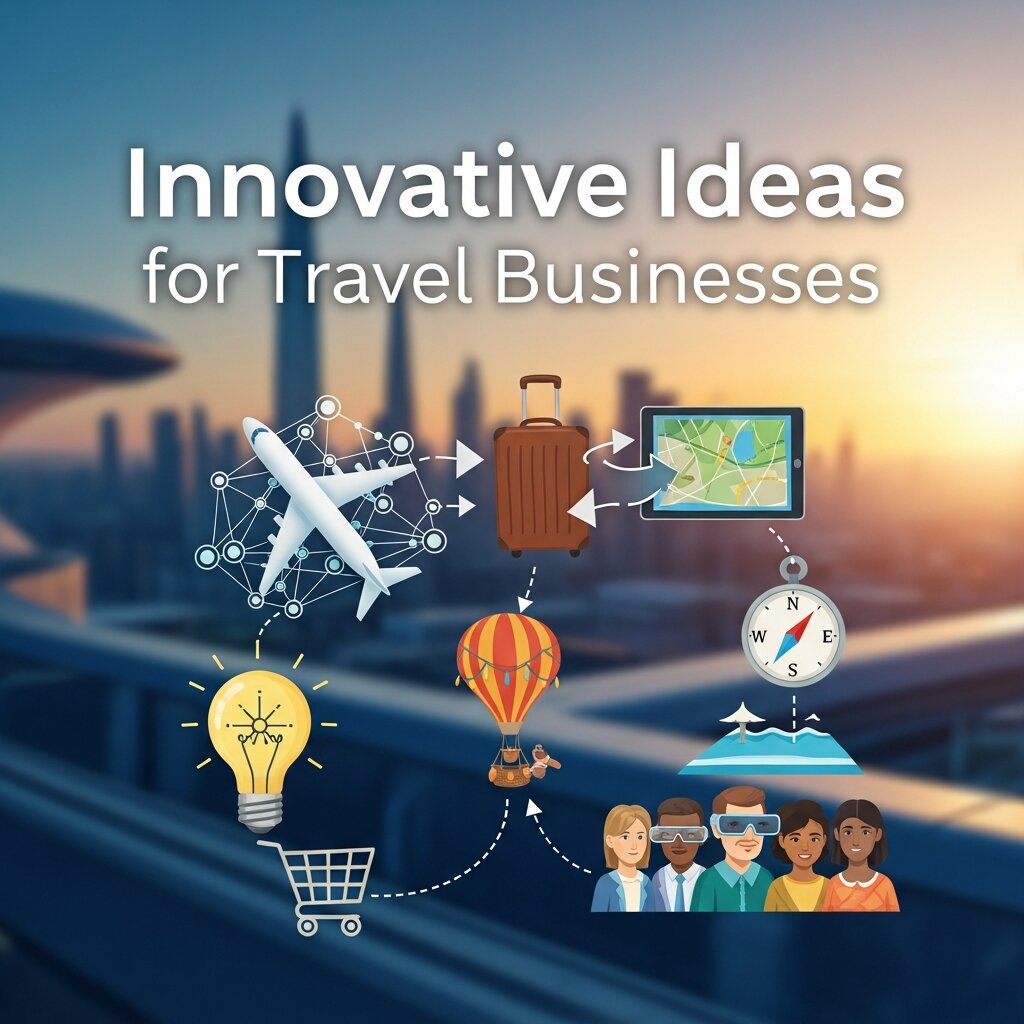
The travel industry never sits still. New destinations trend overnight, customer expectations shift, and competitors are always one clever campaign away from stealing your bookings. If you run a travel business, standing out means doing more than offering great prices—it means giving travelers experiences and reasons they can’t find anywhere else.
The good news? You don’t need a massive budget to make a big impression. Some of the most effective strategies come down to creativity, personalization, and a willingness to try something different. This post walks through a range of innovative ideas for travel businesses, from marketing tactics to customer experience upgrades, that can help you attract more travelers and keep them coming back.
Whether you’re a tour operator, a travel agency, or a boutique hotel, these ideas are designed to be practical and adaptable. Let’s get into the strategies that can transform how travelers discover and choose your business.
Why Innovation Matters in Travel
 Travelers today have endless options at their fingertips. A quick search can pull up dozens of competing offers, reviews, and itineraries. To win their attention, you need to offer something that feels fresh and tailored to them.
Innovation also builds loyalty. When customers feel that a travel business truly understands their needs, they’re more likely to return and recommend you to others. In an industry driven by word-of-mouth and online reviews, that kind of trust is priceless.
The strategies below focus on three core areas: how you market your business, how you craft experiences, and how you build lasting relationships with travelers.
Rethink Your Marketing Approach
Marketing is often where travel businesses can make the quickest gains. The right approach can put you in front of the right audience at exactly the right moment.
Use storytelling to sell experiences, not just trips
People don’t just book vacations—they book memories. Instead of listing features like “3 nights, 4 days,” paint a picture of what the trip will feel like. Describe the sunrise over the mountains, the taste of local street food, or the quiet thrill of exploring a hidden village.
Share real stories from past travelers, complete with photos and quotes. User-generated content is incredibly powerful because it feels authentic. Encourage your customers to tag your business on social media, and feature their posts on your channels.
Tap into niche and themed travel
Generic packages are easy to ignore. Specialized ones grab attention. Consider building trips around specific interests, such as:
- Food and wine tours for culinary enthusiasts
- Wellness retreats for travelers seeking relaxation
- Adventure expeditions for thrill-seekers
- Cultural immersion trips for those wanting authentic local experiences
By targeting a niche, you can speak directly to a passionate audience and become the go-to choice for that type of travel.
Partner with influencers and local creators
Influencer marketing isn’t just for big brands. Micro-influencers—those with smaller but highly engaged followings—often deliver better results for travel businesses. Invite them on a trip in exchange for honest content. Their audience trusts their recommendations, which can drive real bookings.
Local creators can also showcase your destination in a way that feels genuine. A food blogger highlighting a regional dish or a photographer capturing scenic spots can introduce your business to entirely new audiences.
Elevate the Customer Experience
Once you’ve attracted travelers, the experience you deliver determines whether they return. Small touches can leave a lasting impression.
Personalize every journey
Travelers love feeling like a trip was designed just for them. Use the data you collect—past bookings, preferences, special occasions—to tailor your offerings. Someone celebrating an anniversary might appreciate a surprise upgrade or a bottle of champagne waiting in their room.
Personalization can also extend to communication. Send customized itineraries, recommend activities based on interests, and follow up with relevant suggestions for future trips.
Add thoughtful extras and surprises
Little details create big memories. Think about how a warm welcome gift can set the tone for a trip. Borrowing from innovative gift wrapping ideas, you could present travel documents in a beautifully packaged keepsake folder, or include a small locally made souvenir wrapped with care.
These surprises don’t have to be expensive. A handwritten note, a curated playlist for a road trip, or a guide to hidden local gems can all make travelers feel valued.
Make booking seamless and flexible
Friction kills bookings. Make sure your website is fast, mobile-friendly, and easy to navigate. Offer flexible cancellation policies, transparent pricing, and multiple payment options.
Consider adding live chat support or a chatbot to answer questions instantly. The smoother the process, the more likely travelers are to complete their purchase.
Build a Community Around Your Brand
The most successful travel businesses don’t just sell trips—they create a sense of belonging. When travelers feel connected to your brand, they become loyal advocates.
Celebrate milestones with your customers
Recognizing special moments strengthens relationships. Send a thoughtful message on a customer’s birthday or travel anniversary. Drawing inspiration from innovative birthday card ideas, you might design a personalized digital card offering a discount on their next adventure, or a video message wishing them well.
These gestures show that you see your customers as people, not just transactions. That emotional connection encourages repeat business and referrals.
Create a loyalty program with real value
Reward repeat travelers with perks they’ll actually use. Offer points toward future trips, exclusive access to new destinations, or members-only discounts. The key is to make the rewards meaningful and easy to redeem.
You can also build tiered programs that give your most loyal customers VIP treatment, such as priority booking or complimentary upgrades.
Foster connection through shared spaces
Give your travelers a place to connect with each other. A private social media group, an email newsletter, or a forum can keep people engaged between trips. Share travel tips, highlight customer stories, and spark conversations about future destinations.
This community can even shape your offerings. Ask members what destinations they want to explore next, and let their feedback guide your planning.
Embrace Sustainable and Responsible Travel
 Modern travelers increasingly care about their impact on the planet and local communities. Building sustainability into your business isn’t just good ethics—it’s good marketing.
Highlight eco-friendly options
Offer trips that minimize environmental harm, such as low-emission transportation, locally owned accommodations, or carbon-offset programs. Make these options clear and easy to choose during booking.
Support local communities
Partner with local businesses, guides, and artisans. This not only enriches the traveler’s experience but also ensures your business gives back to the destinations you promote. Travelers love knowing their money supports the places they visit.
Promote slow travel
Encourage travelers to spend more time in fewer places. Slow travel reduces environmental impact and creates deeper, more meaningful experiences. Promote extended stays, immersive activities, and opportunities to connect with local culture.
Get Creative with Visual and Experiential Marketing
Sometimes the most memorable ideas come from outside the travel industry. Borrowing creative concepts from other fields can help your business stand out.
Design unforgettable physical touchpoints
Think about every physical item a traveler interacts with, from welcome packets to room décor. Inspired by innovative garden ideas that transform ordinary spaces into beautiful escapes, you could create lush, inviting environments in your properties or tour spaces. A rooftop garden, a courtyard filled with native plants, or a green relaxation area can become a signature feature travelers remember and photograph.
Host pop-up experiences and events
Bring your destination to your customers. Host a tasting event featuring food and drinks from your travel locations, or organize a photography workshop with stunning travel imagery. These events generate buzz and give potential customers a taste of what you offer.
Use immersive technology
Virtual reality tours, 360-degree videos, and interactive maps let travelers preview their trips before booking. This technology builds excitement and confidence, making people more likely to commit.
 The most successful travel businesses don’t rely on guesswork. They use customer data to understand booking patterns, travel preferences, spending habits, and seasonal trends. By analyzing this information, businesses can create targeted offers, improve marketing campaigns, and deliver more relevant experiences that increase customer satisfaction and revenue.
Frequently Asked Questions (FAQ)
1. What are innovative ideas for a travel business?
Innovative travel business ideas include personalized travel packages, niche tourism experiences, virtual destination previews, loyalty programs, sustainable travel options, and community-driven travel experiences. These strategies help businesses differentiate themselves, attract targeted audiences, and create memorable customer journeys.
2. Why is innovation important in the travel industry?
Innovation helps travel businesses adapt to changing customer expectations, stand out from competitors, and improve customer satisfaction. Creative solutions can increase bookings, strengthen brand loyalty, and provide unique experiences that encourage travelers to return and recommend your services.
3. How can personalization improve the travel experience?
Personalization allows businesses to tailor recommendations, itineraries, and services based on traveler preferences and behavior. Customized experiences make customers feel valued, improve satisfaction, increase engagement, and often lead to higher conversion rates and repeat bookings.
4. What role does technology play in modern travel businesses?
Technology streamlines booking processes, improves communication, enhances customer service, and provides immersive experiences through tools like virtual tours, mobile apps, AI chatbots, and automated marketing. These innovations make travel planning more convenient and engaging for customers.
5. How can travel businesses attract more customers?
Travel businesses can attract more customers through content marketing, social media engagement, influencer partnerships, referral programs, niche travel packages, and exceptional customer experiences. Consistent branding and targeted promotions also help increase visibility and bookings.
6. What are niche travel experiences?
Niche travel experiences focus on specific interests such as adventure tourism, wellness retreats, culinary tours, eco-tourism, cultural immersion programs, or luxury travel. These specialized offerings appeal to targeted audiences and help businesses stand out in a competitive market.
7. How can sustainability benefit a travel business?
Sustainable travel practices attract environmentally conscious travelers, improve brand reputation, and support local communities. Offering eco-friendly accommodations, responsible tours, and low-impact travel options can create long-term value for both customers and destinations.
8. What is the benefit of creating a travel community?
Building a travel community encourages customer engagement, loyalty, and word-of-mouth marketing. Travelers who feel connected to a brand are more likely to share experiences, recommend services to others, and participate in future trips and events.
9. How can small travel businesses compete with larger companies?
Small travel businesses can compete by focusing on personalized service, unique experiences, local expertise, and strong customer relationships. Agility and creativity often allow smaller companies to respond faster to trends and customer needs than larger competitors.
10. What is the future of innovation in the travel industry?
The future of travel innovation includes AI-powered personalization, immersive virtual experiences, sustainable tourism initiatives, contactless services, smart travel planning tools, and data-driven customer experiences. Businesses that embrace these trends will be better positioned for long-term growth and success.
Putting These Ideas into Action
Innovation in the travel industry comes down to understanding your customers and finding creative ways to exceed their expectations. You don’t have to implement every idea at once. Start with one or two strategies that fit your business and audience, then measure the results and expand from there.
Begin by reviewing your current marketing and customer experience. Where are travelers dropping off? What feedback do you hear most often? Use those insights to choose the ideas that will make the biggest impact.

Leave a Reply