

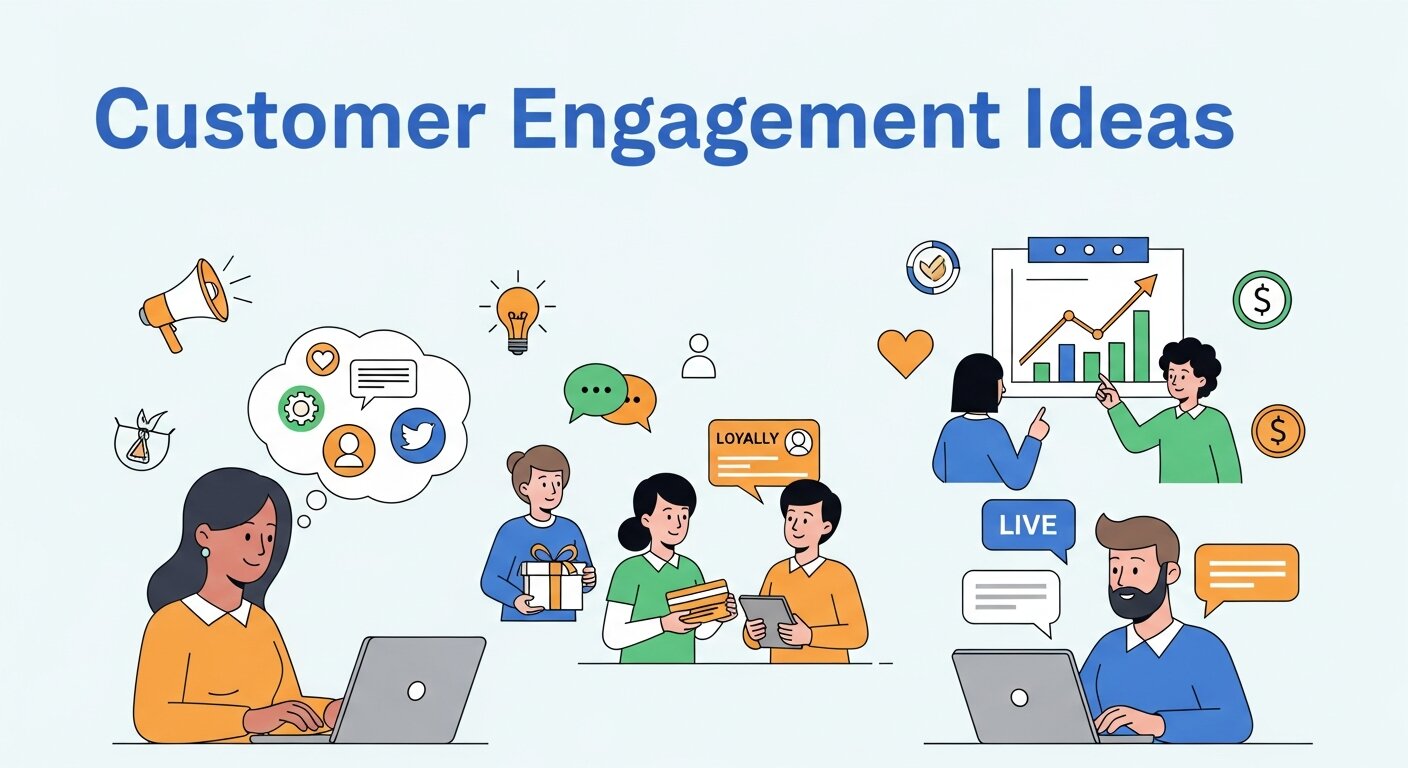
Attracting a new buyer is only the first step in building a successful brand. The real challenge begins after that initial transaction. Keeping people interested, involved, and excited about your brand requires consistent effort and a deep understanding of their evolving preferences.
Many companies still rely on outdated marketing tactics, sending generic email blasts and hoping for the best. Customers quickly tune out these predictable messages. They want meaningful interactions that add value to their lives, solve their specific problems, and make them feel seen by the brands they support.
Finding fresh ways to connect with your audience can completely change the trajectory of your company. By testing out innovative customer engagement ideas, you can turn casual shoppers into vocal advocates who defend your brand and refer their friends. This active participation naturally leads to higher retention rates, increased lifetime value, and sustainable revenue growth.
If you want to strengthen the relationship between your business and your audience, you need to think outside the traditional marketing playbook. Here is a detailed look at several strategies you can use to capture attention and build genuine loyalty.
Gamify the User Experience
 People naturally love a challenge. Gamification taps into this basic human psychology by introducing game-like elements into non-game environments. When you reward users for interacting with your brand, you create a positive feedback loop that encourages them to return.
You can implement point systems, achievement badges, and tiered rewards to motivate specific behaviors. For example, a fitness app might award users a digital badge for working out five days in a row. A retail store could offer VIP status to shoppers who leave product reviews or share their purchases on social media.
To make this strategy work, ensure the rewards feel attainable but still require some effort. The visual progress indicators, such as a completion bar or a rising score, give users a sense of accomplishment. This constant progression keeps your audience actively engaging with your platform long after they make their first purchase.
Implement Augmented Reality Previews
Uncertainty is a major barrier to online shopping. Buyers often hesitate because they cannot physically inspect an item before paying for it. Augmented reality (AR) technology removes this friction by allowing people to visualize products in their own environment using their smartphone cameras.
Furniture retailers use AR to let shoppers place a digital sofa in their living room to check the size and color match. Beauty brands offer virtual try-on features so users can see how a specific shade of lipstick looks on their skin tone.
This type of interactive experience does more than just reduce return rates. It gives the consumer a fun, highly personalized way to interact with your catalog. They spend more time on your app or website, explore different variations of your products, and feel much more confident when they finally click the checkout button.
Create Exclusive Co-Creation Communities
People support what they help build. Inviting your most dedicated customers to participate in the product development process is a powerful way to foster loyalty. Co-creation makes your audience feel like valued partners rather than just passive consumers.
You can launch a dedicated forum or a private social media group where users submit feature requests, vote on upcoming designs, or test beta versions of your software. When users see their feedback translated into real product updates, their emotional connection to your brand deepens significantly.
This approach also serves as a brilliant source of innovative business ideas. Your customers use your products every day in the real world. They understand the exact pain points and missing features that your internal team might overlook. Tapping into this collective intelligence helps you build better products while simultaneously boosting engagement.
Leverage Hyper-Personalized Video Messages
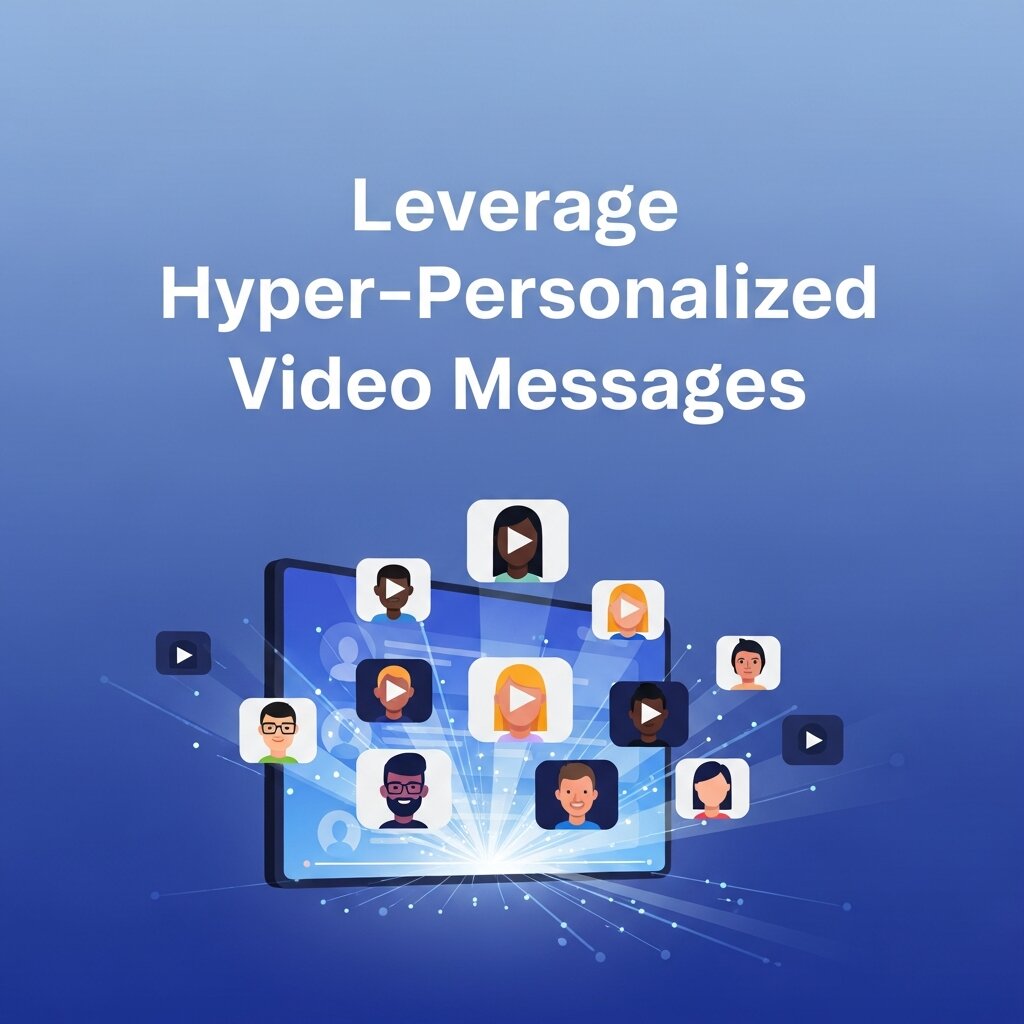 Text-based emails often get lost in a crowded inbox. Video, on the other hand, captures attention immediately. Sending a personalized video message shows your customers that you care enough to spend time on them as individuals.
You do not need a massive production budget to execute this. Customer success teams can record short, 30-second webcam videos to welcome new clients, walk them through a complex onboarding step, or congratulate them on reaching a milestone.
For larger operations, AI-driven video platforms can help scale this effort. These tools allow you to record a single template and dynamically insert the customer’s name and specific account details. A personalized video thumbnail in an email drastically increases click-through rates and leaves a memorable impression that standard text simply cannot match.
Host Interactive Virtual Events
Webinars have been around for a long time, but they often consist of one person talking at a silent audience for an hour. To truly engage your customers, you need to host events that prioritize interaction and two-way communication.
Consider hosting live “Ask Me Anything” (AMA) sessions with your company founders. Organize virtual workshops where attendees can learn a new skill related to your industry. You can even run live polls, breakout rooms, and networking sessions to encourage participants to talk to one another.
When you create a space for your audience to connect with your team and their peers, you build a community around your brand. These events provide massive value, position your company as an industry authority, and give people a compelling reason to keep showing up.
Develop a Cause-Driven Loyalty Program
Modern consumers care deeply about corporate social responsibility. They want to buy from brands that align with their personal values. You can integrate this desire for positive impact directly into your customer engagement strategy.
Instead of only offering discounts, allow your loyalty program members to donate their earned points to a charitable cause. You could pledge to plant a tree for every tenth order a customer places, or provide meals to a local shelter when users reach a specific tier in your program.
This shared sense of purpose creates a powerful bond. Every time a customer interacts with your business, they know they are contributing to something bigger than a simple commercial transaction. It transforms routine shopping into a meaningful act, driving intense loyalty and positive word-of-mouth marketing.
Utilize AI for Proactive Support
Customer service is usually reactive. A user experiences a problem, gets frustrated, and then contacts your team for help. You can flip this dynamic by using artificial intelligence to identify and resolve issues before the customer even has to ask.
AI tools can monitor user behavior on your platform to detect signs of confusion. If a software user clicks the same button three times without success, a smart chatbot can instantly pop up with a relevant help article or a prompt to connect with a human agent. If a shipping delay occurs, automated systems can notify the buyer immediately and offer a proactive discount for the inconvenience.
Solving problems before they escalate shows immense respect for your customer’s time. It turns a potentially negative experience into a showcase of your brand’s reliability and dedication to user success.
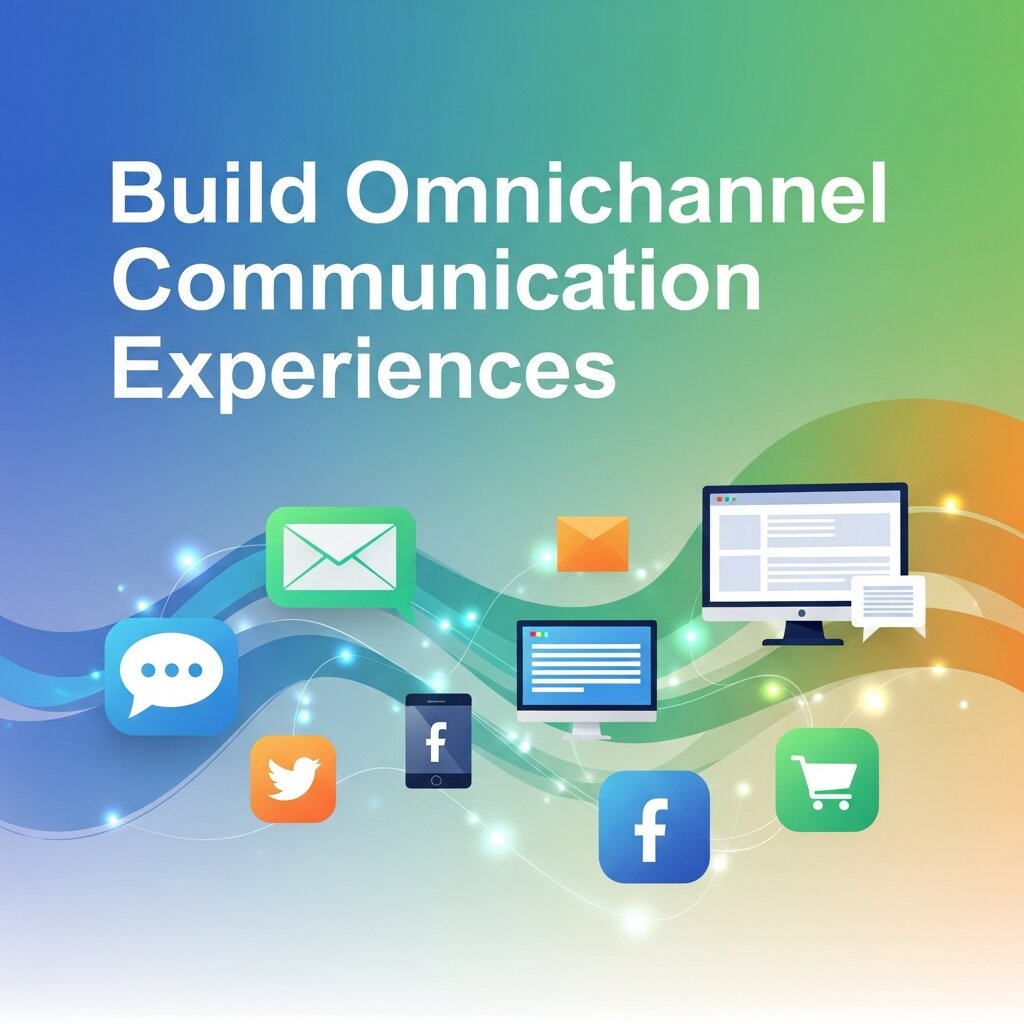 Customers interact with brands across multiple touchpoints, including websites, mobile apps, social media, and email. Creating a seamless omnichannel experience ensures that these interactions feel connected rather than fragmented. When a customer starts a conversation on one platform, they should be able to continue it smoothly on another without repeating themselves. This consistency builds trust and reduces frustration. It also allows businesses to deliver more personalized and relevant communication based on user behavior across channels. By aligning your messaging and support systems, you create a cohesive journey that keeps customers engaged regardless of where they choose to interact with your brand.
Frequently Asked Questions (FAQ)
What are customer engagement ideas?
Customer engagement ideas are strategies and activities designed to build meaningful interactions between a brand and its audience. These ideas go beyond simple promotions and focus on creating experiences that capture attention, encourage participation, and strengthen emotional connections. Effective engagement helps turn one-time buyers into loyal customers who actively interact with your brand.
Why is customer engagement important for businesses?
Customer engagement is essential because it directly impacts retention, loyalty, and revenue growth. When customers feel connected to a brand, they are more likely to make repeat purchases, recommend the business to others, and remain loyal over time. Strong engagement also helps businesses stand out in competitive markets.
What is the ROI of customer engagement?
Investing in engagement directly impacts your bottom line by increasing customer lifetime value (CLV) and reducing churn. Engaged customers buy more frequently, spend more per transaction, and cost less to serve. Furthermore, they act as brand ambassadors, bringing in new customers through referrals, which lowers your overall customer acquisition cost (CAC).
How do I measure engagement success?
You should track a combination of behavioral and financial metrics. Look at your daily active users (DAU), average session length, and the frequency of interactions with your content or loyalty program. Financial indicators include repeat purchase rate, retention rate, and Net Promoter Score (NPS). Monitoring these numbers over time will reveal which strategies are actually working.
Can small businesses use these strategies?
Absolutely. Many of these concepts require creativity rather than massive budgets. A local coffee shop might not have the budget for a custom AR app, but they can easily host a co-creation campaign asking regulars to vote on the next seasonal drink flavor. Personalized videos can be recorded for free using a smartphone. The key is to choose the methods that best fit your resources and your specific audience.
Ready to Transform Your Customer Journey?
Building an audience that sticks around requires you to constantly adapt and refine your approach. The strategies outlined above provide a strong foundation, but the most important step is simply getting started.
Review your current communication channels and identify one area where interactions feel stagnant. Pick one of these innovative customer engagement ideas and run a small test. Monitor the feedback, adjust your tactics based on the data, and gradually scale the programs that resonate most with your buyers. By making customer involvement a core part of your daily operations, you will build a resilient, thriving business.

Leave a Reply