


Organizations constantly seek ways to stay ahead of their competition, reduce operational costs, and deliver superior value to their customers. Achieving these goals requires more than just minor adjustments to existing workflows. It demands a fundamental rethinking of how work gets done. This is where business process innovation comes into play, offering a pathway to radical improvements rather than incremental changes.
Business process innovation involves redesigning your core operational systems from the ground up to achieve dramatic improvements in productivity, cycle times, and quality. Instead of merely fixing a broken step in a supply chain, innovation asks whether that supply chain step needs to exist at all. It challenges the status quo and encourages leaders to look past “how we have always done things” toward “how things should be done.”
Successfully overhauling a core business function is a complex undertaking. It requires strategic planning, clear communication, and a willingness to embrace new technologies and methodologies. Many organizations struggle with implementation, facing resistance from employees or failing to align the new processes with their broader business objectives.
This comprehensive guide breaks down the essential steps required to plan, execute, and measure the success of your transformation initiatives. By understanding the core drivers of change and learning how to navigate common roadblocks, you will be equipped to lead your team through a seamless and highly effective operational overhaul.
Understanding the Drivers of Change
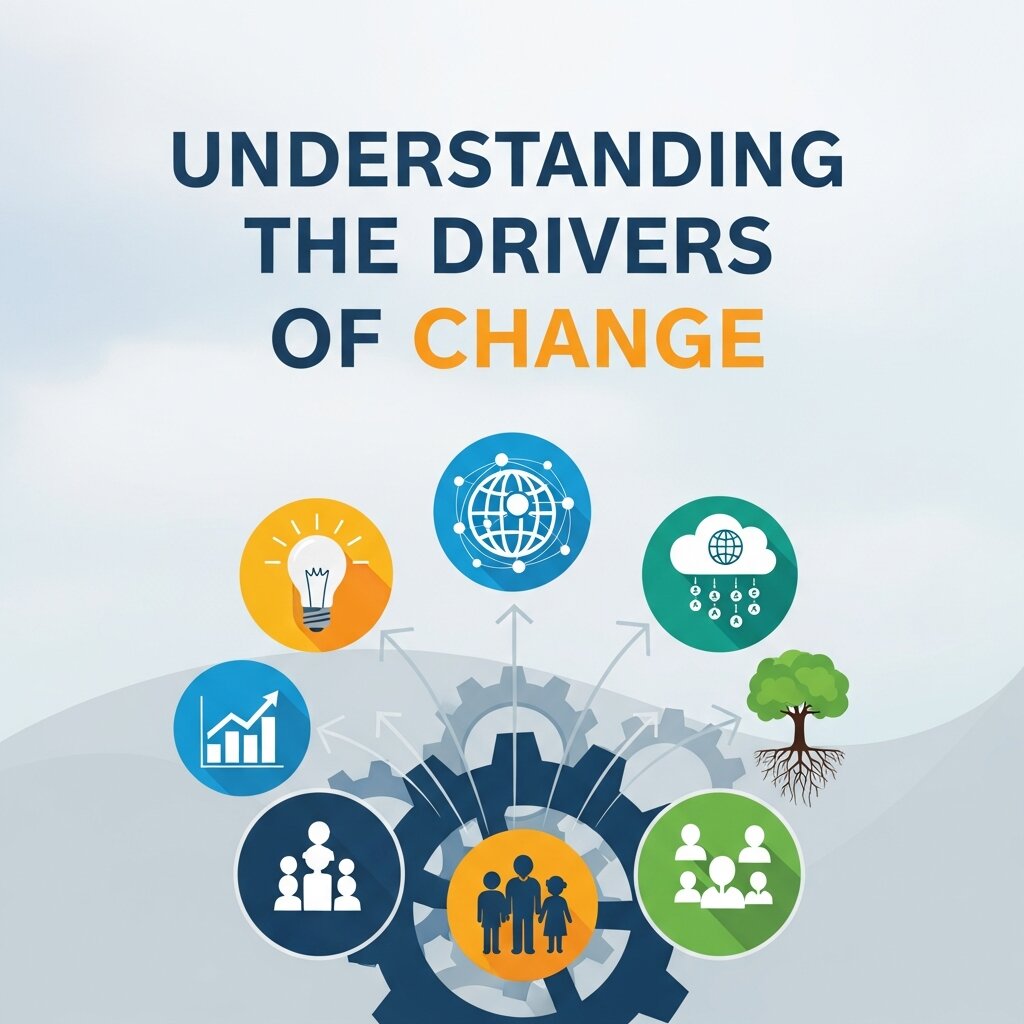 Before tearing down your existing workflows, you must clearly understand why a change is necessary. Organizations rarely undertake massive operational shifts simply for the sake of novelty. Specific internal and external pressures usually drive the need for a complete redesign.
The Demand for Extreme Efficiency
Market pressures constantly squeeze profit margins. Competitors leverage automation and advanced analytics to produce goods and services faster and cheaper. To keep up, business leaders must find ways to eliminate redundancies. When routine tasks consume valuable employee time, productivity plummets. Process innovation strips away these inefficiencies. By completely reimagining a workflow—perhaps by automating manual data entry or consolidating multiple approval stages—companies can drastically reduce their overhead.
Shifting Customer Expectations
Consumers demand speed, personalization, and seamless interactions across every touchpoint. If your fulfillment process takes a week while a competitor delivers in two days, you will lose market share. Adapting to these expectations often requires companies to brainstorm entirely new ways to serve their market. This pursuit of excellence frequently leads to the development of innovative product ideas that require equally modern production and delivery systems to support them.
Finding Inspiration Outside Your Industry
 One of the biggest mistakes business leaders make is looking only at their direct competitors for inspiration. True innovation often comes from observing entirely unrelated fields and applying their best practices to your own operational challenges. Cross-pollination of concepts helps break entrenched mental models that limit creative problem-solving.
The Power of Creative Analogies
Consider how different disciplines tackle spatial or aesthetic challenges. A landscape architect looking to maximize a small, uneven urban courtyard might research innovative garden ideas, utilizing vertical planting or modular structures to transform a limiting environment into an asset. Business leaders can apply this exact mindset to limited operational resources, asking how they might “build vertically” to maximize output without increasing their physical footprint.
Similarly, consider the retail and e-commerce sectors. Brands frequently research innovative gift wrapping ideas to elevate the customer unboxing experience, knowing that presentation directly impacts perceived value. You can apply this concept internally. How you “package” and present a new software tool or workflow to your employees drastically affects their adoption rate. By thinking creatively about internal presentation, you increase the likelihood of a successful rollout.
Step-by-Step Guide to Implementation
Transforming an organization’s workflow is a systematic endeavor. Skipping steps or rushing the planning phase inevitably leads to confusion, wasted resources, and employee frustration. Follow this structured approach to ensure your business process innovation initiatives succeed.
Step 1: Map the Existing Architecture
You cannot change what you do not fully understand. Begin by documenting every step of the process you intend to innovate. Work closely with the employees who execute these tasks daily, as they understand the hidden nuances and undocumented workarounds that keep the current system functioning. Create detailed visual flowcharts that map out exactly how information, materials, and approvals move through your organization.
Step 2: Pinpoint Structural Weaknesses
Once your map is complete, analyze it critically. Look for areas where workflows stall. Do certain approvals take days to process? Is data being manually copied from one software platform to another? Identify tasks that add no direct value to the final product or service. This analysis phase is not about figuring out how to make a bad process slightly faster; it is about identifying exactly which parts of the process are fundamentally broken or unnecessary.
Step 3: Design the Future State
With a clear understanding of the current flaws, gather a diverse team to design the ideal workflow. Encourage radical thinking. If your team had unlimited resources and no legacy software holding them back, how would they build this process from scratch?
During this phase, investigate emerging technologies like artificial intelligence, robotic process automation, and cloud-based collaboration tools. Determine how these technologies can replace manual effort and facilitate faster decision-making. Map out this newly envisioned “future state” with the same level of detail you applied to your current architecture.
Step 4: Develop a Controlled Pilot Program
Deploying a massive operational shift across an entire enterprise simultaneously is highly risky. Instead, isolate a specific department or a small group of users to test the new workflow. A pilot program allows you to observe the new process in a live environment without jeopardizing your entire operation.
Gather continuous feedback from the pilot participants. They will undoubtedly uncover technical glitches, confusing instructions, or unforeseen bottlenecks that your design team missed. Use this data to refine the process, making necessary adjustments before a wider release.
Step 5: Execute the Enterprise Rollout
After thoroughly testing and refining the process, you are ready for full implementation. This step requires a meticulous communication strategy. Employees must understand not only how to use the new system, but why the change is happening. Provide comprehensive training sessions, detailed documentation, and ongoing support channels.
Leadership visibility is crucial during this phase. Executives and managers must actively champion the new process, demonstrating their commitment to the change and addressing employee concerns promptly and empathetically.
Overcoming Implementation Roadblocks
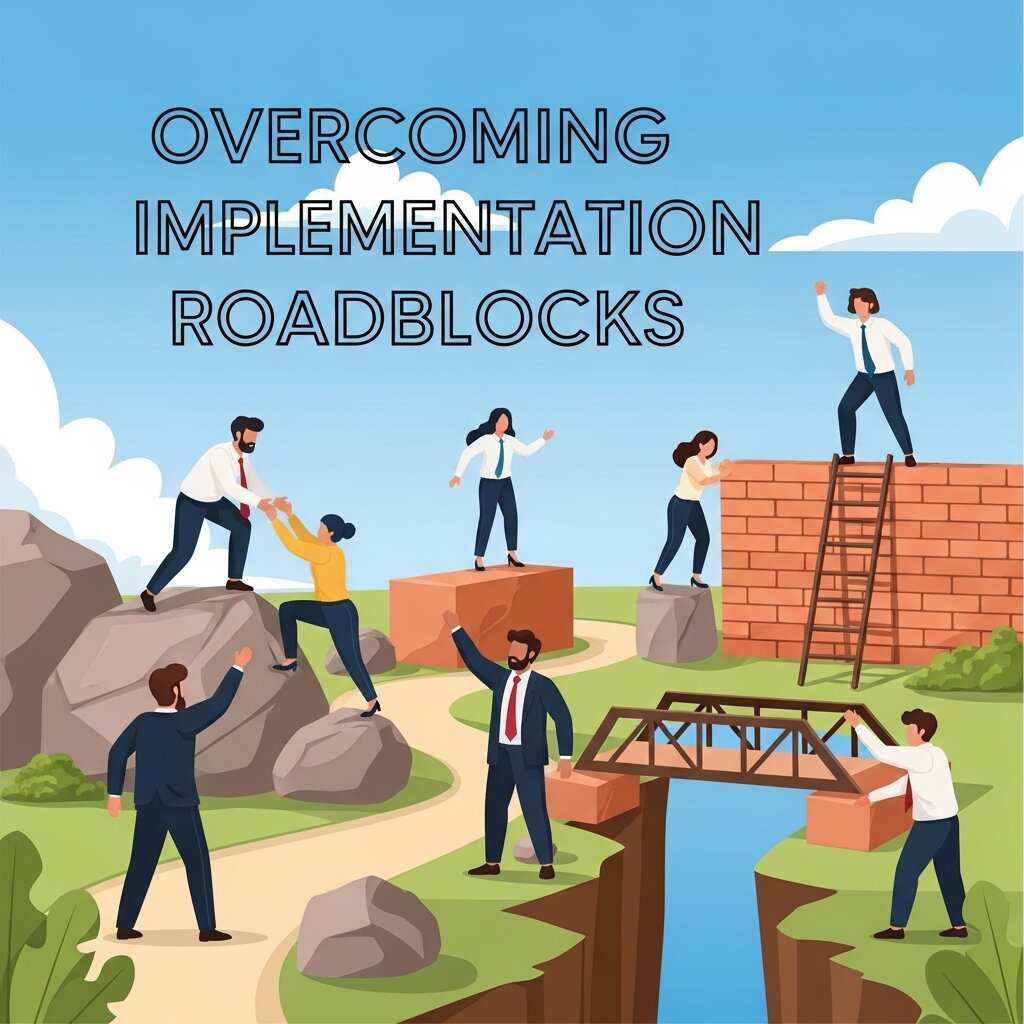 Even the most brilliantly designed workflows can fail during implementation. Recognizing and preparing for common hurdles will protect your investment and keep your timeline on track.
Navigating Employee Resistance
People naturally prefer the familiar, even if the familiar is inefficient. When you introduce a new way of working, you will encounter resistance. Employees may fear that automation will make their roles obsolete, or they may simply dread the learning curve associated with new software.
To combat this, involve employees early in the design phase. When workers feel their input is valued and see their suggestions incorporated into the final design, they transition from resistant bystanders to active advocates. Be transparent about how the new process will make their daily jobs easier, reducing tedious tasks and allowing them to focus on more engaging work.
Managing Technical Integration
Implementing a new process often requires adopting new software or integrating existing legacy systems. Technical incompatibilities can quickly derail your timeline. Ensure your IT department is heavily involved from day one. They must audit your existing infrastructure to confirm it can support the new requirements. Establish clear data migration plans and rigorous cybersecurity protocols before turning any new systems online.
Securing Executive Sponsorship
Business process innovation requires financial investment, dedicated personnel, and time. Without steadfast support from the C-suite, middle management will struggle to secure the necessary resources. Executive sponsors must do more than just sign the budget; they must actively remove organizational roadblocks, facilitate cross-departmental collaboration, and consistently communicate the strategic importance of the initiative to the entire company.
Measuring and Sustaining Success
Implementation is not the final step. To guarantee that your investment yields long-term dividends, you must rigorously measure the outcomes and establish a culture of continuous assessment.
Track Meaningful Metrics
Determine how you will measure success before the rollout begins. Establish clear Key Performance Indicators (KPIs) that align directly with your original business goals. If the objective was to speed up customer onboarding, track the exact reduction in cycle time. If the goal was cost reduction, measure the drop in operational overhead. Compare these post-implementation metrics against the baseline data you gathered during the mapping phase.
Commit to Continuous Optimization
A newly implemented process is never truly finished. Business environments evolve, new technologies emerge, and customer preferences shift. Schedule regular reviews of your new workflow. Solicit feedback from the employees using the system and the customers experiencing the end results. Make small, iterative adjustments to keep the process running at peak efficiency.
FAQ: Business Process Innovation
1. What is business process innovation?
Business process innovation is the practice of fundamentally redesigning an organization’s workflows and operations to achieve significant improvements in efficiency, productivity, quality, and customer satisfaction. It focuses on transforming how work is done rather than making small adjustments to existing processes.
2. How is business process innovation different from process improvement?
Process improvement typically involves making incremental changes to optimize existing workflows, while business process innovation takes a more radical approach by rethinking and redesigning processes from the ground up to create substantial performance gains.
3. Why is business process innovation important for businesses?
Business process innovation helps organizations reduce operational costs, improve efficiency, adapt to changing customer expectations, and gain a competitive advantage. It also enables businesses to embrace new technologies and respond quickly to market changes.
4. What are the key steps in implementing business process innovation?
The main steps include mapping current processes, identifying inefficiencies, designing an improved workflow, launching a pilot program, implementing the changes across the organization, and continuously monitoring performance for further optimization.
5. What technologies support business process innovation?
Technologies such as artificial intelligence (AI), robotic process automation (RPA), cloud computing, data analytics, and workflow management software play a major role in modern business process innovation by automating tasks and improving decision-making.
6. What are the biggest challenges in business process innovation?
Common challenges include employee resistance to change, difficulties integrating new technologies with legacy systems, limited budgets, unclear objectives, and lack of executive support. Proper planning and communication can help overcome these obstacles.
7. How can businesses reduce employee resistance during process changes?
Organizations can minimize resistance by involving employees early in the planning process, providing adequate training, communicating the benefits of the new system, and offering ongoing support throughout the transition.
8. How do you measure the success of business process innovation?
Success is measured using Key Performance Indicators (KPIs) such as reduced operational costs, shorter cycle times, improved customer satisfaction, increased productivity, and higher employee engagement. Comparing these metrics before and after implementation helps evaluate results.
9. Can small businesses benefit from business process innovation?
Yes. Small businesses can use business process innovation to streamline operations, automate repetitive tasks, improve customer service, and compete more effectively with larger organizations without requiring massive investments.
10. How often should companies review and update their business processes?
Businesses should review their processes regularly—typically every six to twelve months—or whenever significant changes occur in technology, customer behavior, or market conditions. Continuous optimization ensures processes remain efficient and aligned with business goals.
Moving Forward with Operational Transformation
Radical operational change is demanding, but the rewards far outweigh the growing pains. By systematically analyzing your current architecture, drawing inspiration from diverse sources, and managing the human element of change, you can dramatically enhance your organization’s capabilities. Start by selecting one highly inefficient workflow within your company today. Map it out, challenge its necessity, and take the first deliberate step toward meaningful business process innovation.

Leave a Reply