

Small changes in the tools we use can completely shift how we experience our routines. We interact with dozens of items from morning until night, often accepting their limitations as fixed rules. But what happens when design takes a leap forward and challenges the status quo?
The landscape of consumer goods is shifting rapidly. Designers and engineers are moving past basic utility to create solutions that actively anticipate human needs, reduce environmental impact, and spark joy. Exploring these concepts reveals a shift toward smarter, more sustainable living.
Finding truly innovative product ideas requires looking at ordinary frustrations and asking how they could be eliminated. From the way we manage our backyards to how we celebrate milestones with loved ones, new concepts are continuously emerging.
This guide explores a variety of groundbreaking concepts that have the potential to reshape everyday life. We will look at advancements in home technology, eco-friendly celebration methods, and smart outdoor solutions that can elevate your daily experience.
Redefining the Home Experience
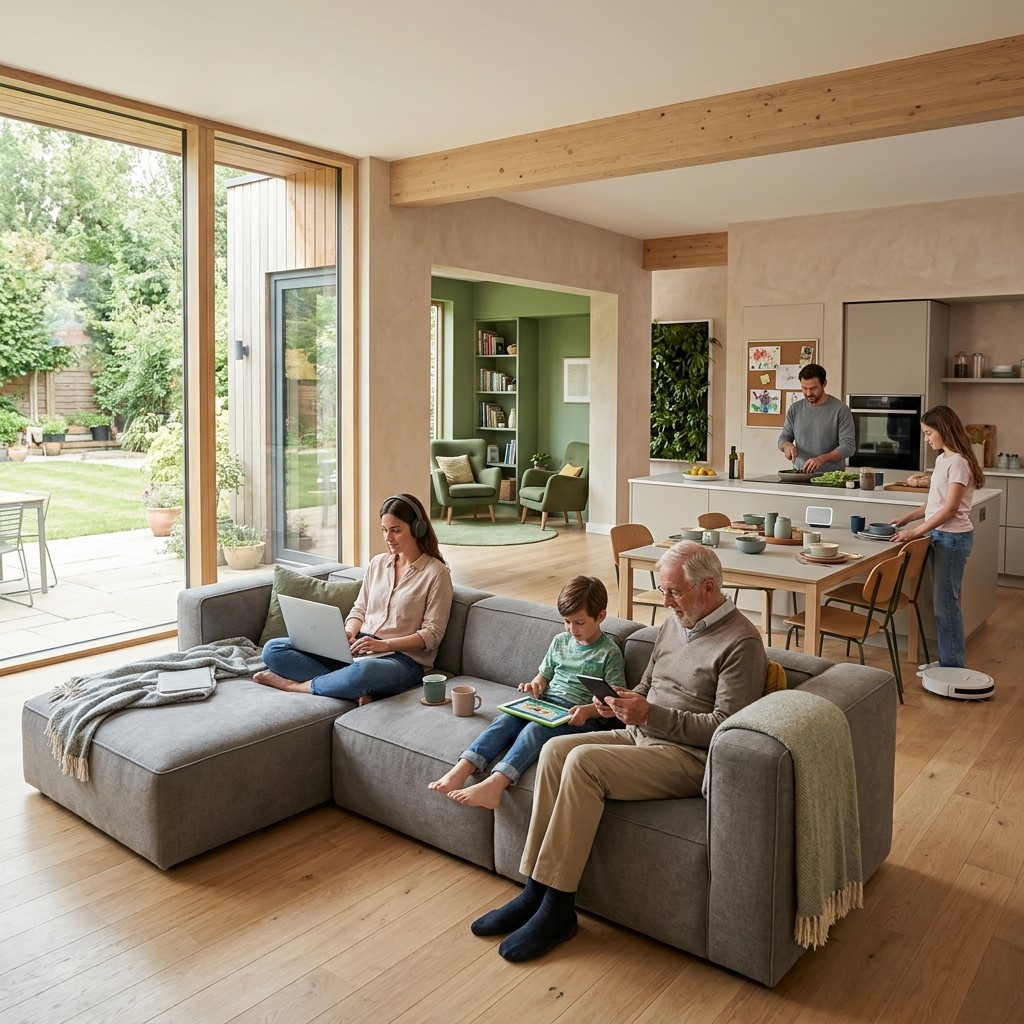 Our homes are our sanctuaries, yet they are often filled with chores and inefficiencies. New product concepts are targeting these pain points, aiming to turn living spaces into highly responsive environments.
Smart Home Hubs That Anticipate Needs
Most current smart home devices require constant manual input or rigid scheduling. The next generation of home automation focuses on predictive AI. These hubs learn your habits—like when you open the blinds, how warm you prefer the living room in the evening, and which lights you turn on for reading. Instead of waiting for a voice command, the house adjusts itself naturally as you move from room to room.
Self-Cleaning and Sanitizing Surfaces
Cleaning takes up a massive portion of our week. Materials science is introducing countertops, doorknobs, and bathroom tiles embedded with UV-C light technology or antimicrobial nano-coatings. These surfaces actively break down bacteria and repel stains throughout the day. A kitchen counter that cleans itself after you prepare dinner saves time and provides peace of mind regarding household hygiene.
Modular Kitchen Appliances
Kitchens are notoriously cluttered with single-use gadgets. Modular appliance bases are emerging as a powerful solution. Instead of owning a separate blender, food processor, stand mixer, and coffee grinder, you purchase one highly engineered motorized base. You then attach different modular tops depending on the task. This saves counter space, reduces electronic waste, and simplifies the cooking process.
Upgrading How We Celebrate
 Milestones and holidays bring people together. However, the traditional ways we give gifts often generate excessive waste and lack personalization. Fresh thinking is transforming how we mark these special occasions.
Innovative Gift Wrapping Ideas That Reduce Waste
Millions of tons of wrapping paper end up in landfills every year. Designers are tackling this issue with innovative gift wrapping ideas that turn the packaging into part of the gift itself. One concept involves using beautifully dyed, biodegradable fabric wraps inspired by the Japanese art of Furoshiki. Another brilliant idea is plantable wrapping paper embedded with wildflower seeds. After the recipient opens their gift, they can plant the paper in soil and watch it bloom, leaving absolutely zero waste behind.
Innovative Birthday Card Ideas That Come Alive
Greeting cards have remained largely unchanged for decades. Now, creators are introducing innovative birthday card ideas that merge the physical and digital worlds. Imagine handing a friend a beautifully printed card that features a subtle QR code on the back. When scanned with a smartphone, the card triggers an augmented reality (AR) experience. A 3D animation might pop out of the paper, or a personalized video message from a group of friends might play on the screen. It takes a simple piece of cardstock and turns it into an interactive keepsake.
Elevating Outdoor Spaces
You do not need acres of land to connect with nature. Urbanization has forced designers to rethink how we interact with plants, leading to brilliant solutions for patios, balconies, and small yards.
Innovative Garden Ideas for Urban Spaces
City dwellers often struggle to find room for greenery. Modern design brings us innovative garden ideas specifically tailored for tight spaces. Vertical hydroponic towers allow you to grow a massive yield of herbs, lettuce, and tomatoes in a single square foot of balcony space. These towers circulate water automatically and use LED grow lights to maximize photosynthesis. Another exciting concept is modular magnetic planters that snap onto balcony railings or metallic walls, allowing renters to create lush, floating garden walls without drilling a single hole.
Automated Odorless Composting Systems
Composting is excellent for the environment, but traditional bins can attract pests and produce unpleasant smells. New indoor composting machines sit right on your kitchen counter. You toss in your food scraps, and the machine uses heat, aeration, and grinding mechanisms to break down the organic matter into nutrient-rich fertilizer in a matter of hours. There is no smell, no mess, and you get immediate food for your houseplants or urban garden.
Revolutionizing Personal Tech and Health
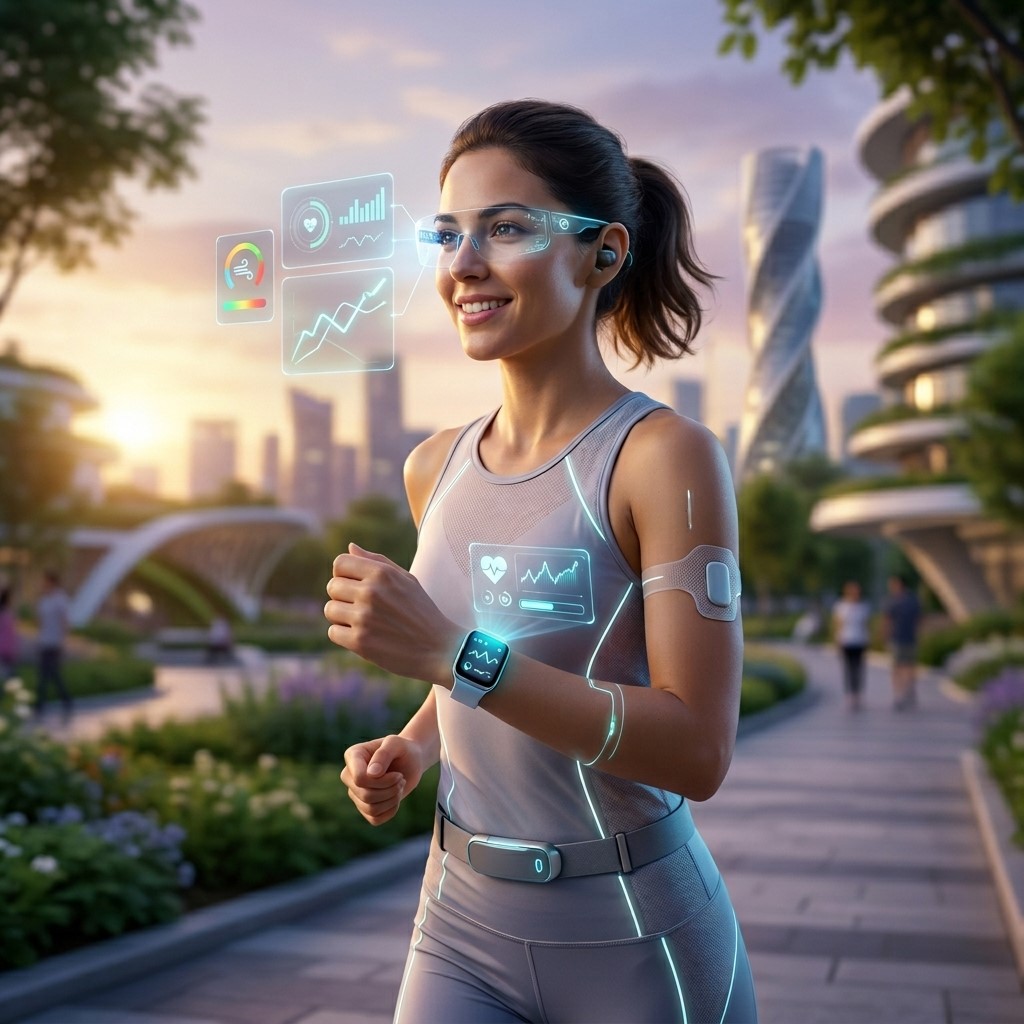 The devices we carry with us should actively improve our well-being rather than simply demanding our attention.
Wearables That Monitor Mental Fatigue
We have fitness trackers that count our steps and monitor our heart rates. The next wave of wearables focuses on cognitive health. These discrete devices track indicators like skin conductance, subtle shifts in vocal tone, and heart rate variability to detect when you are experiencing severe mental fatigue or stress. Before you reach the point of burnout, the device gently prompts you to take a screen break, perform a breathing exercise, or go for a short walk.
Electronics Designed for Easy Repair
The era of disposable technology is ending. Consumers are demanding products that last. Companies are conceptualizing smartphones and laptops built with easily swappable components. If your battery degrades or your camera breaks, you simply order a new module, pop out the old one with a standard screwdriver, and snap the new piece into place. This approach drastically extends the lifespan of our devices and keeps toxic metals out of landfills.
Intelligent Energy-Efficient Home Systems
Modern homes are evolving into energy-aware ecosystems that actively reduce waste and optimize consumption. Intelligent energy-efficient systems use smart sensors to monitor electricity usage across appliances, lighting, and climate control. These systems automatically adjust energy flow based on occupancy, time of day, and user behavior patterns. For example, lights can dim when natural sunlight is sufficient, or heating systems can lower output when rooms are unoccupied. Over time, these adaptive systems significantly reduce utility costs while supporting environmentally responsible living without requiring constant manual adjustments from homeowners.
AI-Powered Personal Shopping Assistants
Shopping is becoming more personalized through AI-powered assistance tools that understand user preferences, budgets, and lifestyle needs. These systems analyze browsing behavior, past purchases, and real-time trends to recommend highly relevant products. Instead of spending hours searching online, users receive curated suggestions that match their exact requirements. Some advanced assistants can even predict future needs, such as reminding users to restock household essentials or suggesting gifts based on upcoming events. This shift makes shopping faster, smarter, and more efficient while reducing decision fatigue.
Adaptive Learning Furniture for Workspaces
Work environments are increasingly demanding flexibility, and adaptive furniture is addressing this need in innovative ways. These smart furniture systems adjust ergonomically based on user posture, height, and working habits. Desks can automatically raise or lower depending on whether the user is sitting or standing, while chairs provide real-time posture correction feedback. Some designs even integrate productivity tracking features that help users maintain focus and reduce fatigue. This type of furniture not only enhances comfort but also promotes long-term physical well-being in both home and office setups.
Personalized Health Monitoring Ecosystems
Healthcare technology is shifting from reactive treatment to proactive prevention. Personalized health monitoring ecosystems combine wearable devices, mobile apps, and AI analytics to continuously track an individual’s health metrics. These systems monitor sleep quality, heart rate variability, hydration levels, and stress indicators in real time. When irregular patterns are detected, users receive early alerts and actionable recommendations. This approach empowers individuals to take control of their health before issues become serious, making everyday wellness management more precise and data-driven.
Smart Waste Management and Recycling Systems
Waste management is being reimagined through smart, automated systems that improve recycling efficiency and reduce environmental impact. These systems use sensors and AI to sort waste materials accurately at the source, minimizing human error. Smart bins can identify recyclables, compostables, and general waste, guiding users to dispose of items correctly. Some advanced setups even compact waste to reduce volume and optimize collection cycles. This innovation helps cities and households manage waste more sustainably while increasing recycling rates significantly.
Immersive Education and Skill Development Platforms
Education is evolving beyond traditional classrooms through immersive digital platforms that blend virtual reality, gamification, and AI-driven learning paths. These systems allow learners to experience real-world scenarios in a controlled environment, improving understanding and retention. For example, medical students can practice surgeries in virtual simulations, while business learners can engage in interactive case studies. The adaptive nature of these platforms ensures that each learner progresses at their own pace, making education more engaging, accessible, and effective across different skill levels.
Smart Transportation and Micro-Mobility Solutions
Urban transportation is undergoing a transformation with the rise of smart and micro-mobility solutions. Electric scooters, autonomous shuttles, and connected bike-sharing systems are reducing reliance on traditional vehicles. These innovations are integrated with real-time traffic data and mobile apps that help users choose the fastest and most efficient routes. Some systems also optimize energy usage and reduce congestion by predicting travel demand patterns. As cities grow denser, these smart transportation solutions offer a cleaner, faster, and more flexible way to move through urban environments.
Frequently Asked Questions
What are innovative product ideas?
Innovative product ideas are new or improved concepts designed to solve everyday problems in a smarter, faster, or more sustainable way. They often combine creativity, technology, and user-focused design to improve how people live, work, and interact with products in daily life.
How are innovative product ideas developed?
Most innovative product ideas start by identifying real-life frustrations or unmet needs. Designers and engineers then brainstorm solutions, create prototypes, and test them with users. Feedback from testing helps refine the product until it becomes practical, efficient, and market-ready.
How do innovative product ideas transition from concept to reality?
The journey starts with identifying a genuine consumer frustration. Designers then sketch solutions and build rapid prototypes using 3D printing. These prototypes go through rigorous user testing. Once a design proves functional and user-friendly, the creators seek funding through venture capital or crowdfunding platforms to manufacture the product at scale.
Are sustainable products always more expensive?
While some sustainable goods carry a higher upfront cost due to research and ethical manufacturing, they often save money over time. A modular appliance or a reusable wrapping cloth prevents you from having to buy replacements continuously. As manufacturing technologies improve, the prices of eco-friendly products continue to drop.
How can I incorporate these concepts into my life right now?
Start small. You do not need to overhaul your entire house. Choose one area of friction—like the waste generated during holidays or the lack of greenery in your apartment—and seek out a single new product that addresses it.
Bring These Concepts into Your Daily Routine
Embracing new ways of living does not require a complete lifestyle overhaul. It begins with observing the items you use daily and questioning if a better alternative exists. By adopting even a few of these forward-thinking designs, you can simplify your routines, reduce your environmental footprint, and bring a sense of novelty back into your home.
Consider which aspect of your day feels the most tedious or wasteful. Chances are, a brilliant designer has already created a solution. Start exploring these modern tools, and watch how quickly your everyday environment transforms for the better.

Leave a Reply